How to Store Crypto Safely: A Guide to Cold Storage
"Not your keys, not your coins" is crypto's hardest-learned lesson. If your assets sit on an exchange or a phone connected to the internet, they are exposed. This 2026 guide explains cold storage in plain terms: hot vs cold wallets, how hardware wallets work, how to protect your seed phrase, and the mistakes that have cost people everything.
How to Avoid Crypto Scams: Red Flags to Know
Crypto gives you full control of your money - which means no bank can reverse a bad transaction. This guide shows you how to avoid crypto scams: the most common schemes, the universal red flags, and a concrete checklist to protect your funds, your accounts, and your seed phrase.
The Fake Monero Rings Hard Fork

A project called Monero Rings positions itself as an "improved version" of Monero, promising fast transactions, scalability, improved mining and even non-fungible tokens. All of this sounds wonderful, however, as it turned out, Monero Rings is a fake hard fork of Monero that steals funds from users.
A Vulnerability Discovered in the Ledger Nano S Crypto Wallet
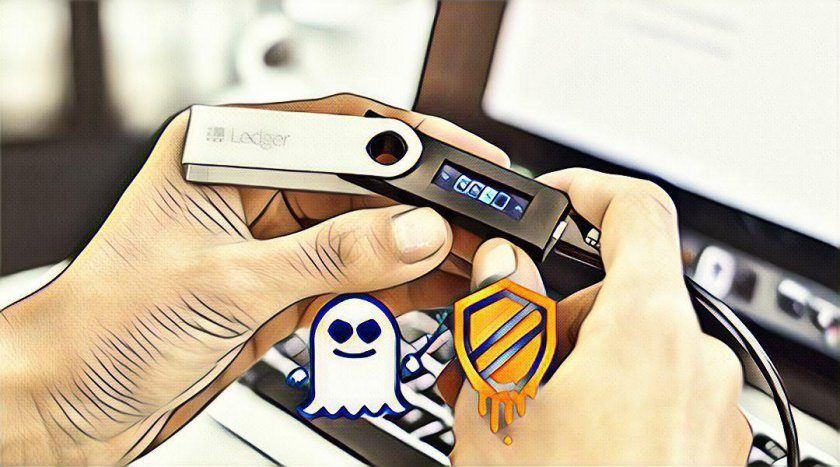
A bug has been discovered in the Ledger Nano S hardware crypto wallet in the operation of software version 1.1.3 with the Monero 0.14 client, related to an incorrect address for the return of funds. This was reported by the developers of the Ledger Nano S cryptocurrency wallet, who asked device owners to refrain from using version 0.14 while the developers search for a solution.
A Vulnerability Discovered in the Coinomi Crypto Wallet
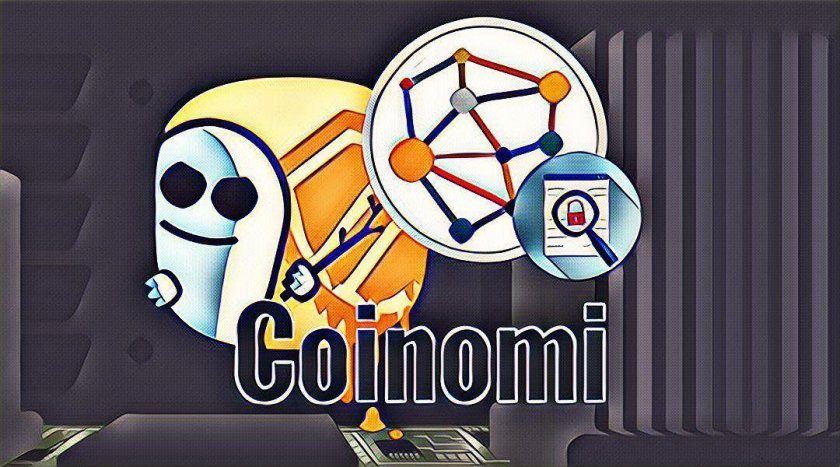
Programmer Warith Al Maawali has discovered a security breach in the Coinomi cryptocurrency wallet, as a result of which the Coinomi crypto wallet sends users' passphrases to the Google spell-check service in unencrypted form, thereby opening up access for scammers to private information and giving them the opportunity to take over users' funds. This breach in the wallet's security was discovered during the investigation of the mysterious theft of 90% of the programmer's funds.









* to search the proxy database, just enter a country name, e.g. Russia, USA, Thailand