AI Bubble Burst or Profit-Taking? The China Fund Up 164% Just Started Selling
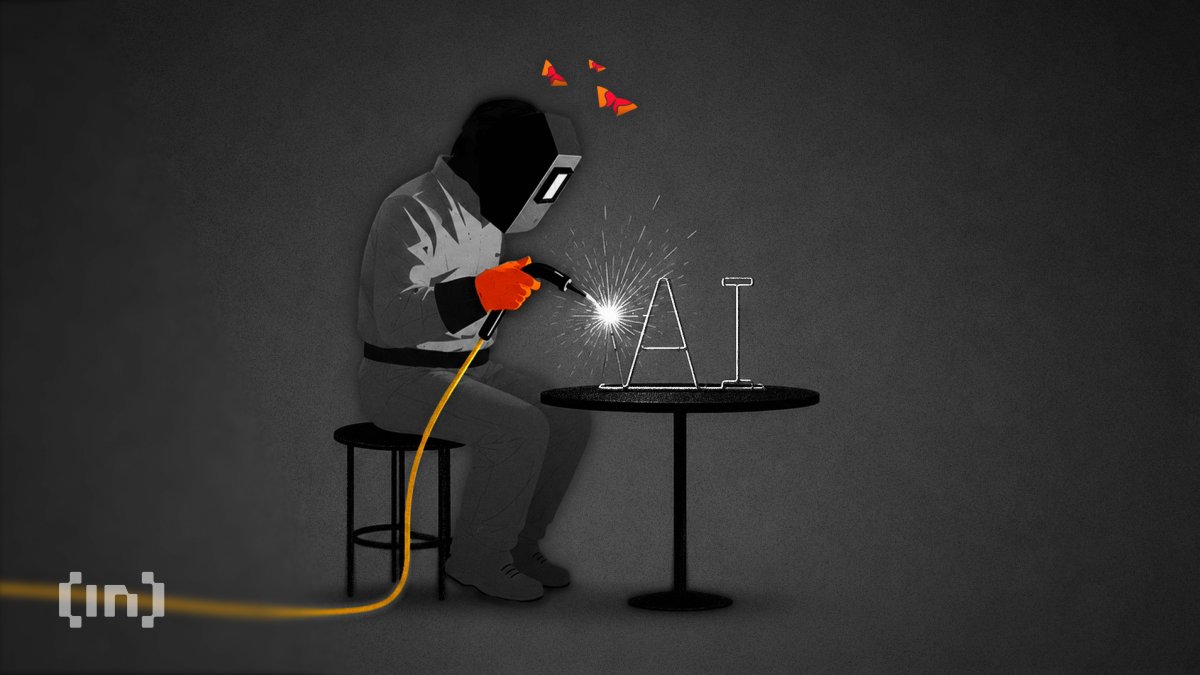
China’s top AI hedge funds have started booking profits, and the AI bubble question is back. Shanghai Everlead Capital, up 164% this year, leads the funds now trimming their biggest winners.
They are not calling a crash. However, BeInCrypto’s exclusive layer data shows money rotating out of the hottest AI trades. The debate now hangs on 2027 spending.
China’s Winning AI Funds Start Booking Profits
Everlead trimmed its optical and chip-packaging stocks, both part of the compute layer that runs AI data centers.
It sold because those names had gone vertical. Zhongji Innolight’s trillion-yuan market cap and Yangtze Optical Fibre’s twelvefold rally show how far the AI optical trade ran. Gains that size invite profit booking.
A second fund moved the same way. Hunjin Capital trimmed its most crowded AI holdings, including memory-chip names it expects to lose pricing power, and rotated into cheaper traditional stocks. By its own measure, the AI hardware cycle is now 60% complete, double its February reading.
That is two funds. The real question is whether the whole market is turning with them.
Layer Data Confirms a Market-Wide Rotation
It certainly is. Money is rotating between the layers of the AI trade, and the leaders have flipped.
Compute stocks, the chip and hardware names, gained about 62% over the window but fell roughly 13% last month. Power and infrastructure rose about 11%, then stalled. Both former leaders are fading.
Apps and software are the opposite. They lagged all year, down about 9%, then gained roughly 5% last month as fresh money moved in.
This looks like a late-cycle rotation, not a collapse. One layer sits at the center of the fade, and that layer is power.
Power Stocks Now Trade as AI Stocks
Power stocks once traded on their own story of rates and regulation. AI’s bottleneck has moved from chips to electricity, with data-center power demand set to roughly double by 2030. So power now moves with the AI trade.
A proprietary gauge tracks the 30-day correlation between the power and compute baskets. It sits at 0.74, up from near neutral earlier in the cycle. The AI energy trade is on.
The link cuts both ways. When compute fades, power fades with it. That is why every fund watches the same thing, how much big tech keeps spending on AI.
The 2027 Capex Number That Decides the AI Bubble
That spending has a name, AI capex, the money big tech pours into chips, data centers and power. It is what keeps the compute and power layers earning.
So the whole story turns on one question. If that capex keeps flowing, the funds simply took profits early. If it dries up, they sold before a burst.
The big cloud firms will commit more than $600 billion to the buildout in 2026, up about 36%, and forecasts push it past $1 trillion in 2027. For now the money keeps flowing, so this still looks like profit-taking.
The threat is a 2027 plateau, and a price war could force one. Chinese models now match top US systems at a fraction of the cost, some about 55 times cheaper.
Cheap models erode the return on all that spending. Here is how it connects. If that return breaks, big tech cuts capex, the compute and power layers fade for good, and the funds’ early profit-taking becomes the first sign of a bubble burst.
The bulls still see real profits, not a 2000-style bubble. The bears see the price war breaking those returns first. So 2027 capex is the deciding number. If it holds, this was profit-taking. If it breaks, the AI bubble was real.
Source: BeInCrypto
Cryptocurrency News

Random quote about money
"Финансовая деятельность – искусство или наука, управлять доходами и ресурсами для пущей выгоды управляющего."
Interesting posts in other sections of the blog










 ↑
↑
* to search the proxy database, just enter a country name, e.g. Russia, USA, Thailand