K Wave’s Bitcoin Exit Shows Treasury Trade Is No Longer One-Way
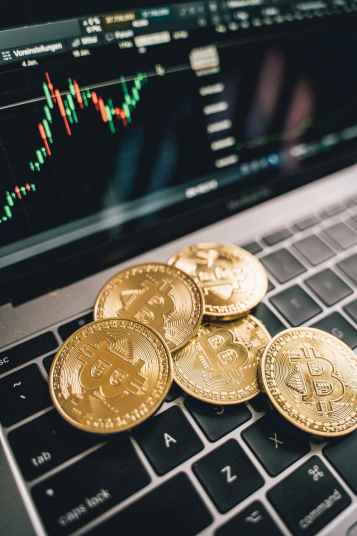
K Wave Media has become a useful reminder that the Bitcoin treasury trade is not one simple story. The company once presented Bitcoin as part of a larger balance-sheet strategy. Now, after selling its BTC and shifting attention toward artificial intelligence infrastructure, it has effectively shown the other side of the corporate accumulation narrative.
That matters because Bitcoin treasury companies have been one of the loudest themes of the cycle. The market loves the clean version: a public company raises capital, buys BTC, and lets shareholders gain leveraged exposure to Bitcoin. K Wave’s reversal is messier.
For more details, visit the official Sec platform.
TL;DR
K Wave Media disclosed in SEC filings that it sold Bitcoin tied to its treasury strategy and used proceeds to address debt obligations. The company has also discussed reallocating capital toward AI infrastructure. For the wider market, the story is not about the size of K Wave’s BTC stack. It is about what happens when smaller treasury plays meet debt, equity-market pressure, and changing investor appetite.
Bitcoin treasury strategies work best when capital is cheap, share prices are strong, and investors reward accumulation. They become much harder when financing conditions tighten or the company’s core business needs cash.
That is the lesson here.
A Treasury Strategy Needs More Than A Slogan
The corporate Bitcoin playbook is often associated with Strategy because Strategy built it at scale and stuck with it for years. Smaller companies have tried to borrow parts of that model, but not every balance sheet can carry the same risk.
Buying Bitcoin is easy to explain. Funding it sustainably is the hard part.
If a company relies on capital raises, convertible notes, preferred stock, or other financing tools to support a BTC strategy, the market has to keep believing in the premium. Once that premium disappears, the strategy can turn from accretive to stressful very quickly.
K Wave’s exit is therefore less about one company’s number of coins and more about the market’s willingness to keep funding copycat treasury models.
Why Bitcoin Traders Should Care
For BTC itself, K Wave is not large enough to move the market on its own. But the symbolism is bigger than the position.
Treasury-company demand has been part of Bitcoin’s institutional story. If investors start separating strong treasury operators from weaker ones, the market may become more selective. That is healthy in the long run, but it can create short-term pressure as weaker names unwind or pivot.
The bullish interpretation is that Bitcoin’s treasury theme is maturing. Not every company that announces a BTC plan deserves a premium. The bearish interpretation is that some corporate holders could become sellers if balance-sheet pressure rises.
Both can be true.
K Wave’s move does not kill the treasury trade. It does show that the trade is no longer automatic. Investors are now asking harder questions about debt, liquidity, business quality, and whether the Bitcoin strategy actually fits the company using it.
This report is based on information from K Wave Media SEC filings.
This article was written by the News Desk and edited by Samuel Rae.
Source: Sec
Источник: NewsBTC
Новости в мире криптовалют



Random quote about money
"Деньги и время — самое тяжелое бремя в жизни. Наиболее несчастны те, у кого их больше, чем они умеют использовать."
Interesting posts in other sections of the blog







* to search the proxy database, just enter a country name, e.g. Russia, USA, Thailand