Europe’s MiCA Did Not Approve a Single Asset Under This Category
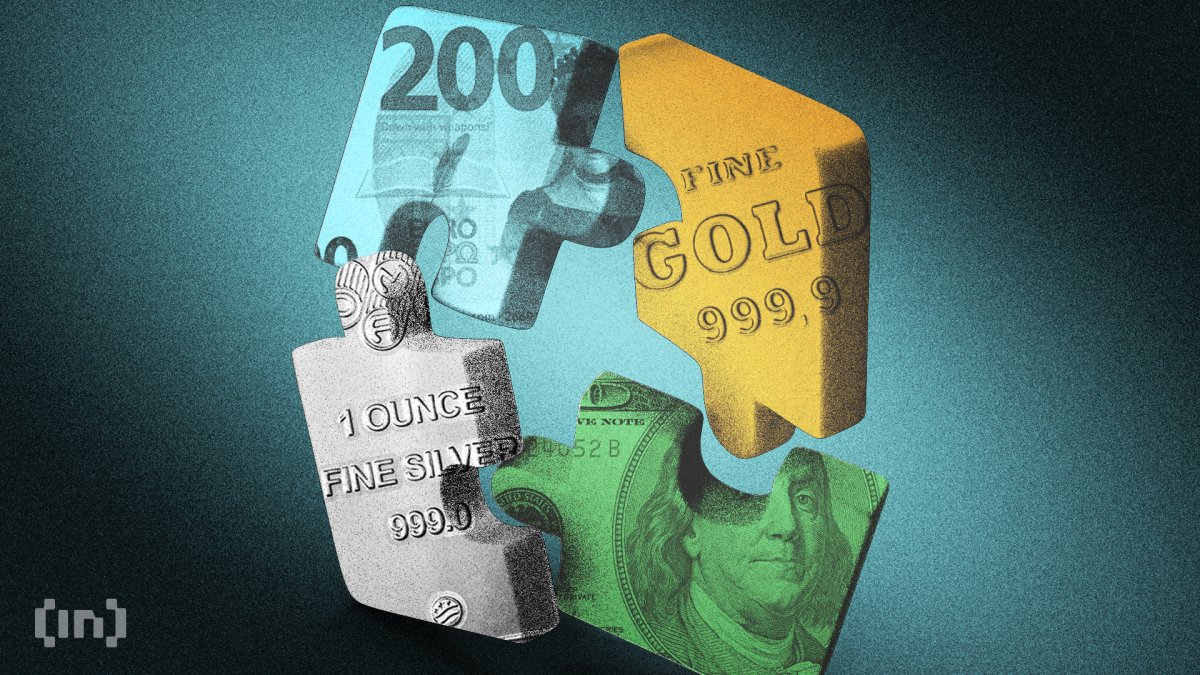
Not a single company has been approved to issue an asset-referenced token (ART) under the EU’s Markets in Crypto-Assets (MiCA) regulation, two years after the rules took effect.
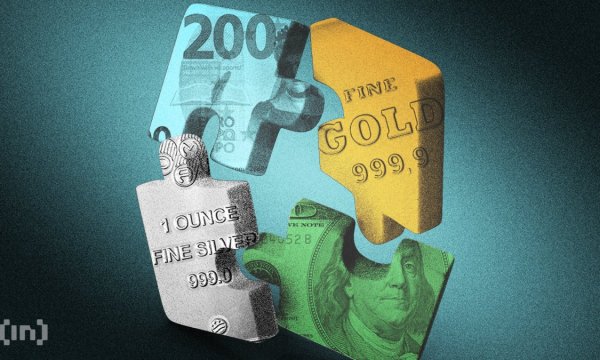
ARTs are stablecoins backed by gold, other assets, or currency baskets. Unlike ordinary stablecoins that track one currency, such as the euro or dollar, an ART references several assets at once.
Why MiCA’s ART Framework Has No Takers
ARTs are designed to maintain stable value by being backed by multiple assets, rather than a single fiat currency. Examples include tokens backed by:
- A mix of assets, such as currencies, commodities, or other crypto assets.
- A basket of currencies (such as 50% euro, 50% US dollar).
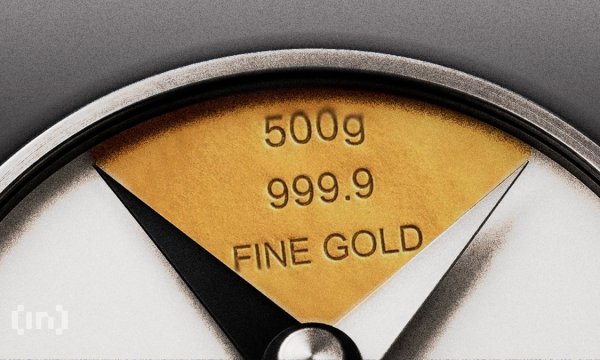
- Gold or other commodities.
MiCA reserves one of its largest sections, Title III, for these products.
Lawmakers drafted the title after Facebook’s Libra, whose currency-basket design alarmed central banks in 2019. Brussels proposed MiCA the following year. Libra, renamed Diem, shut down in early 2022. Its rulebook outlived it.
The rules it left behind are heavy. Under the regulation, issuers must hold funds of 350,000 euros or 2% of reserves, whichever is higher.
A harder ceiling follows. Once a token crosses 1 million transactions and 200 million euros in daily payments, its issuer must halt new issuance. The framework caps the upside of success, and any token deemed significant falls under direct EBA supervision.
For Patrick Hansen, Circle’s EU Strategy and Policy Director, a register still empty since the rules began in June 2024 signals structural failure, not slow adoption.
“The category should either be adjusted to make it workable in practice or removed. Regulation should not be for the sake of regulation,” he wrote in a post.
Follow us on X to get the latest news as it happens
The Market Kept Growing Around the Gap
By contrast, e-money token (EMT) issuers reached 21, up from 19 in March. EMTs are stablecoins backed by one official currency only, such as:
- EURC: backed by the euro.
- USDC: backed by the US dollar.
Licensed CASPs hit 280 in ESMA’s latest register update.
Meanwhile, the product Title III was written for trade elsewhere. Tether Gold (XAUT) and PAX Gold (PAXG) hold a combined market cap of $4.4 billion and rank among the top 50 crypto assets, per BeInCrypto Markets data. Both sit outside the EU perimeter.
Hansen counts only USDC, USDG, and EURC as MiCA-compliant among the top 50 stablecoins. Tether’s refusal already prompted Revolut’s plan to delist USDT.
Scrap It or Fix It? What the Evidence Suggests
The case for scrapping is simple. Two years produced zero applicants, and fiat stablecoins already have a working home under the EMT rules.
However, the strictness is deliberate. The payment caps exist to stop foreign-currency tokens from displacing the euro. The same regulation lets the ECB flag any ART that threatens monetary policy. Scrapping it would leave basket and commodity tokens with no legal path into the EU at all.
The debate now has a deadline. The Commission’s consultation on the MiCA review closes August 31. A report, possibly with a legislative proposal, will follow by mid-2027.
The evidence favors repair over repeal. The gold token market shows real demand for products that pose little threat to the euro. A lighter regime for commodity tokens, with currency-basket caps intact, could invite the first applicant in.
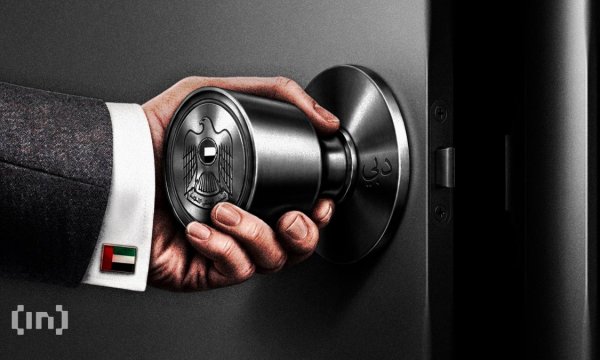
An empty register is a design flaw, but a deleted one would be a locked door.
Источник: BeInCrypto
Новости в мире криптовалют


Random quote about money
"Вы никогда не сможете разориться, получая прибыль."
Interesting posts in other sections of the blog







* to search the proxy database, just enter a country name, e.g. Russia, USA, Thailand