MiCAR is Turning European Crypto Payments Into a Licensed Market
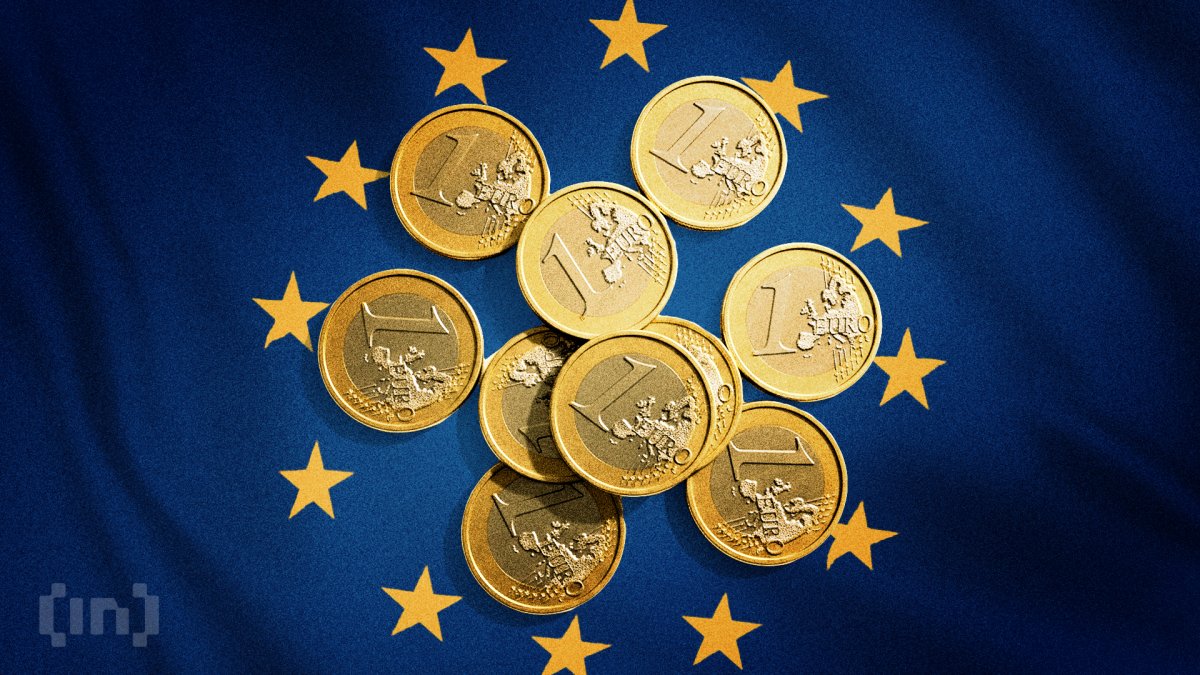
Europe’s crypto market is large enough for licensing to change the competitive map. Chainalysis said regional crypto volumes recovered to a monthly peak of $234 billion in December 2024, while Germany, France, the United Kingdom, and other major European markets each received hundreds of billions of dollars in crypto value between July 2024 and June 2025.
MiCAR has now placed this market behind a stricter authorization filter. The transition period ended on July 1, 2026, and Luxembourg’s CSSF said virtual asset service providers are no longer permitted to offer services in the EU without authorization as crypto-asset service providers, or CASPs.
Le Monde reported that about 230 of 1,200 providers secured the European authorization needed to keep operating, while many others withdrew, sought buyers, or lost access to EU clients.
Europe’s Crypto Access Now Runs Through Authorization
MiCAR replaces Europe’s fragmented national registration model with a common EU rulebook for crypto-asset service providers. ESMA says the regulation covers transparency, disclosure, authorization, and supervision for crypto-asset activity, including asset-referenced tokens and e-money tokens.
That changes how crypto companies reach users. A national registration once gave firms a local route into the market.
Under MiCAR, companies serving EU clients need a CASP authorization tied to a specific legal entity, and ESMA has warned that MiCAR protections apply only to the authorized EU entity, not to affiliated companies elsewhere.
This makes licensing part of distribution. Wallets, exchanges, fintechs, merchants, and stablecoin companies need counterparties able to handle regulated crypto services inside the bloc.
Firms without authorization face limits on marketing, onboarding, and service continuity, while authorized providers can become gateways for partners seeking EU access.
OSL Group’s Austrian MiCAR authorization
OSL announced on July 9, 2026, that its European subsidiary had received CASP authorization from Austria’s Financial Market Authority under MiCAR. The authorization allows OSL EU to provide passport-approved services across the 30 countries of the European Economic Area.
The approved service set covers several core parts of crypto market access. OSL said the Austrian authorization covers custody and administration of crypto-assets, spot trading, on and off-ramp and conversion services, and crypto-asset transfers.
Banxa Adds the Payment Layer
Banxa became part of OSL Group after the take-private transaction was completed in January 2026. The purchaser acquired all issued and outstanding Banxa shares for about C$80.36 million, making Banxa a wholly owned subsidiary.
Banxa now acts as the payment processor and crypto exchange while handling payments, compliance and crypto delivery.
This is important because on and off ramps connect regulated financial systems with blockchain networks, and those flows often touch services covered by CASP rules, including conversion, transfer, and custody.
Payment companies with strong distribution but limited licensing may need authorized partners, while licensed firms may need payment networks to make their approvals commercially useful.
Stablecoins and the Licensing Question
Stablecoins add another reason for payment and custody services to converge. TRM Labs said EUR-denominated stablecoins grew from $69 million in monthly volume in January 2025 to $777 million in March 2026, a 12-fold increase over 15 months, with MiCA clarity and exchange integration among the drivers.
At the same time, stablecoin usage still depends on reliable fiat access. Reuters reported in January 2026 that stablecoin circulation exceeded $270 billion, while Visa’s head of crypto said mainstream merchant acceptance remained limited and stablecoin activity still came heavily from trading rather than consumer payments.
That is where the OSL-Banxa structure offers a useful example:
- Banxa brings payment access and conversion;
- OSL EU brings a regulated European entity covering custody, trading, transfers and conversion services.
Together, they show how firms may try to package stablecoin payments, crypto ramps and asset services under one licensing model.
Authorization Still Leaves Commercial Tests
MiCAR authorization gives providers a route into the EEA, but it does not solve every commercial issue. Crypto payment providers still compete on banking access, payment methods, approval rates, asset coverage, pricing, settlement speed, uptime, and partner support.
Источник: BeInCrypto
Новости в мире криптовалют



Random quote about money
"Простейший способ не нуждаться в деньгах - не получать больше, чем нужно, а проживать меньше, чем можно."
Interesting posts in other sections of the blog










* to search the proxy database, just enter a country name, e.g. Russia, USA, Thailand