


Key points
- Leon Wankum argues Bitcoin is eroding real estate's monetary premium
- Fiat debasement has inflated property values since 1971
- Bitcoin may revolutionize home financing and ownership dynamics.
Bitcoin's Disruption of Traditional Wealth Storage
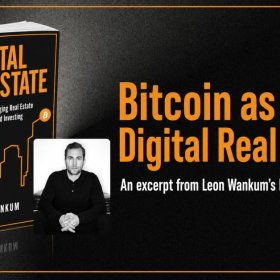
Leon Wankum, in his book 'Digital Real Estate,' presents a compelling argument that Bitcoin is set to challenge the long-standing dominance of real estate as a primary store of wealth. For generations, property has been the go-to asset for individuals looking to preserve and grow their wealth. However, Wankum posits that this trend is coming to an end, particularly in light of the significant monetary changes that have occurred since 1971.
Since the abandonment of the gold standard in 1971, fiat currencies have experienced substantial debasement, leading to inflated asset prices, particularly in real estate. Wankum argues that this has created a monetary premium in the real estate market, which he believes is now being eroded by the rise of Bitcoin. As a form of money that is absolutely scarce, Bitcoin is increasingly seen as a viable alternative for wealth storage.
The Impact of Fiat Debasement on Real Estate
Wankum's analysis highlights the correlation between fiat currency debasement and the inflated prices of residential and commercial real estate. He suggests that the monetary premium associated with real estate has been artificially inflated due to the devaluation of fiat currencies. This has led to a situation where property values are not necessarily reflective of their intrinsic worth but rather a function of the depreciating purchasing power of money.
As Bitcoin gains traction as a store of value, Wankum believes that it will pull this monetary premium away from real estate. He emphasizes that both residential and commercial sectors will feel the impact of this shift. The implications of this transition could be profound, potentially leading to a reevaluation of property values and investment strategies in the real estate market.
Bitcoin as a Financial Tool in Real Estate
Wankum also discusses the practical implications of using Bitcoin in real estate transactions. He contrasts the traditional approach of saving for a home with the potential benefits of saving in Bitcoin. By holding Bitcoin, individuals may find themselves in a better position to purchase property in the future, as the value of their Bitcoin holdings could appreciate significantly compared to stagnant or declining real estate prices.
Moreover, Wankum explores the concept of using Bitcoin as collateral for loans, which could revolutionize the way individuals approach home buying. Instead of relying solely on traditional mortgages, homeowners could leverage their Bitcoin holdings to secure financing, potentially leading to more favorable terms and conditions.
The Housing Crisis and Ownership Dynamics
Wankum identifies the current housing crisis as a crisis of ownership, where many individuals are unable to afford homes due to rising prices and stagnant wages. He argues that Bitcoin could provide a solution to this issue by enabling more people to enter the housing market. As Bitcoin becomes more mainstream, it may offer a pathway for individuals to accumulate wealth and eventually invest in real estate.
Additionally, Wankum discusses the potential for Bitcoin-backed mortgages, which could change the landscape of home financing. By integrating Bitcoin into the mortgage process, lenders may be able to offer more innovative products that cater to the needs of a new generation of homebuyers who are increasingly tech-savvy and open to digital currencies.
Future Considerations for Real Estate Developers
Wankum also touches on the implications for real estate developers, particularly in relation to Bitcoin mining and treasury strategies. As Bitcoin continues to gain acceptance, developers may find new opportunities to integrate cryptocurrency into their business models. This could include accepting Bitcoin as payment for properties or utilizing Bitcoin mining as a revenue stream.
Furthermore, the emergence of Bitcoin-focused real estate funds, such as those proposed by Grant Cardone, could signal a shift in how real estate investments are structured. These funds may attract a new class of investors who are looking to combine their interest in cryptocurrency with traditional real estate investments.
Conclusion: Uncertainties Ahead
While Wankum's insights present a thought-provoking perspective on the intersection of Bitcoin and real estate, several uncertainties remain. The extent to which Bitcoin can effectively disrupt the real estate market is still to be determined, as various factors, including regulatory developments and market acceptance, will play a crucial role in shaping this dynamic.
Moreover, the potential volatility of Bitcoin poses risks for both investors and homeowners. As the cryptocurrency market continues to evolve, stakeholders in the real estate sector will need to adapt to these changes and consider how to incorporate Bitcoin into their strategies.
Source: BitcoinMagazine