


Key points
- Bitcoin's liquidity offers advantages over gold and real estate
- Institutional interest in Bitcoin is growing
- Bitcoin-backed lending provides liquidity without selling assets
Understanding Bitcoin's Liquidity Edge Amid Institutional Interest
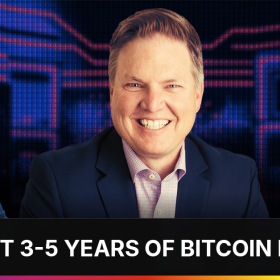
Bitcoin's liquidity characteristics are becoming increasingly significant as institutional investors begin to enter the cryptocurrency market. Shawn Owen, CEO of SALT Lending, emphasizes that Bitcoin's portability, divisibility, and accessibility set it apart from traditional stores of value like gold and real estate. Unlike gold, which requires physical storage and transportation, Bitcoin can be transferred globally with ease. This inherent liquidity allows Bitcoin holders to access their assets quickly, especially in times of crisis or unrest, making it a more practical option for those needing to move their wealth swiftly.
Owen points out that Bitcoin's divisibility allows it to be broken down into smaller units, facilitating transactions of varying sizes without the constraints associated with physical assets. For instance, while real estate transactions can be lengthy and tied to specific locations, Bitcoin can be liquidated or used as collateral almost instantaneously. This flexibility is particularly appealing to investors who may need quick access to cash without the lengthy processes involved in selling traditional assets. As more institutions recognize these advantages, Bitcoin's role as a liquid asset is likely to grow.
The ability to use Bitcoin as collateral for loans further enhances its liquidity profile. Instead of selling their Bitcoin to access cash, holders can borrow against their assets, maintaining their exposure to Bitcoin's potential appreciation. This model aligns with Owen's vision of a future where Bitcoin is not just a speculative asset but a practical tool for financial management. As institutional adoption increases, the demand for Bitcoin-backed lending solutions may rise, allowing holders to leverage their assets without relinquishing ownership.
Bitcoin's Unique Liquidity Features
Owen also discusses the phenomenon of 'institutional FOMO' (fear of missing out), suggesting that as more banks and sovereign wealth funds recognize Bitcoin's value, they will likely rush to enter the market. He notes that while banks have been slow to adopt Bitcoin, many of the barriers that previously hindered their participation are now being addressed. This shift could lead to a significant influx of capital into the Bitcoin market, further enhancing its liquidity and stability as an asset class.
Despite the potential for increased institutional investment, Owen cautions that Bitcoin's price and adoption trajectory may not follow a linear path. He anticipates that as more capital flows into the market, Bitcoin's historic volatility may begin to dampen. However, he remains optimistic about the long-term outlook for Bitcoin, suggesting that over the next decade, significant adoption and price increases are likely. This perspective underscores the importance of patience for investors and institutions alike as they navigate the evolving landscape of cryptocurrency.
Owen's long-term view also influences his advice to Bitcoin holders. He advocates for a strategy of holding onto Bitcoin rather than selling it for immediate liquidity needs. By maintaining their positions, investors can benefit from Bitcoin's potential appreciation over time. This philosophy aligns with the broader trend of viewing Bitcoin not just as a currency but as a long-term store of value, akin to gold but with added liquidity benefits.
Institutional Adoption and Market Dynamics
As Bitcoin adoption expands, the conversation around its use is shifting. Rather than focusing solely on how to acquire Bitcoin, discussions are increasingly centered on how holders can utilize their accumulated wealth without selling their assets. This shift is indicative of a maturing market where Bitcoin is seen as a viable alternative to traditional financial instruments. The emergence of Bitcoin-backed lending platforms like SALT Lending is a testament to this evolving narrative, providing innovative solutions for liquidity management.
The implications of Bitcoin's liquidity advantages extend beyond individual investors to the broader financial ecosystem. As institutions begin to adopt Bitcoin, they may also influence regulatory frameworks and market structures, potentially leading to greater acceptance and integration of cryptocurrencies into mainstream finance. This could pave the way for more sophisticated financial products and services centered around Bitcoin, further enhancing its appeal as a liquid asset.
Moreover, the growing institutional interest in Bitcoin could lead to increased price stability as larger players enter the market. With more capital and resources at play, the market may become less susceptible to the extreme volatility that has characterized Bitcoin's price history. This stabilization could attract even more institutional investors, creating a positive feedback loop that reinforces Bitcoin's position as a leading digital asset.
The Future of Bitcoin Lending and Asset Management
However, uncertainties remain regarding the long-term impact of institutional adoption on Bitcoin's market dynamics. While increased liquidity and stability are likely outcomes, the potential for regulatory changes and market manipulation cannot be overlooked. As institutions become more involved, they may also bring traditional market behaviors and strategies that could alter the current landscape of cryptocurrency trading and investment.
In conclusion, Bitcoin's liquidity advantages are becoming increasingly relevant as institutional interest grows. The ability to quickly access and utilize Bitcoin without selling it positions the cryptocurrency as a compelling alternative to traditional assets like gold and real estate. As more institutions recognize these benefits, the landscape of Bitcoin investment and usage is likely to evolve, leading to new opportunities and challenges for both individual and institutional investors.
Ultimately, the future of Bitcoin will depend on how effectively it can maintain its liquidity advantages while navigating the complexities of institutional involvement. As the market matures, the focus may shift from merely acquiring Bitcoin to leveraging its value in innovative ways, ensuring that it remains a vital component of the global financial ecosystem.
Source: BitcoinMagazine