

Key points
- Hoskinson accuses Buterin of bias in encryption debate
- Dispute centers on quantum security for blockchains
- Lattice-based encryption favored by some chains like Solana and Algorand
The Quantum Encryption Debate: Hoskinson vs. Buterin
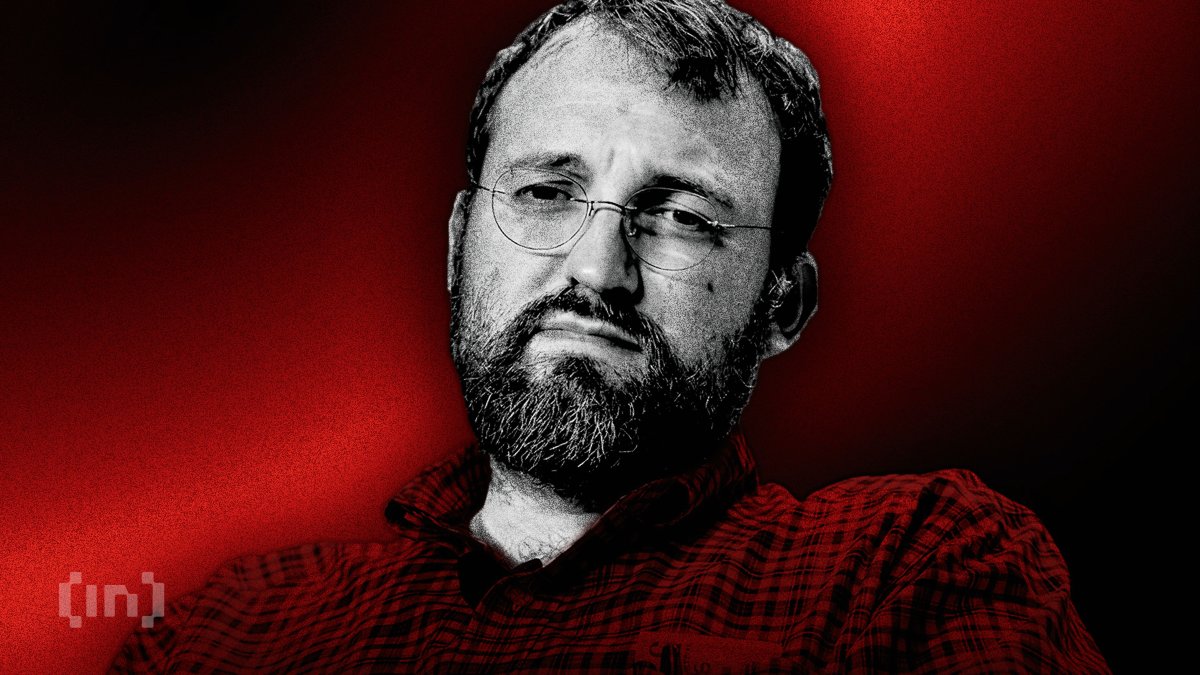
The ongoing rivalry between Charles Hoskinson, the founder of Cardano, and Vitalik Buterin, co-founder of Ethereum, has taken a new turn as Hoskinson publicly accused Buterin of promoting hash-based encryption to protect his own research interests. This accusation highlights a deeper conflict regarding how major blockchain platforms plan to secure their wallets against potential threats posed by quantum computing. The debate is not merely personal; it reflects significant implications for the future of blockchain security.
In a recent post, Hoskinson claimed that Buterin is attempting to undermine lattice-based encryption, which is one of the two primary methods proposed to safeguard against quantum attacks. He suggested that Buterin's motivations are rooted in self-interest, as he has heavily invested in hash-based cryptography. This accusation of being a 'bag holder' implies that Buterin is unable to pivot away from his current stance due to the weight of his investments in hash-based solutions, which he believes are superior.
Buterin's warnings about the vulnerabilities of lattice-based encryption stem from concerns that advancements in artificial intelligence could lead to breakthroughs in mathematics that undermine this encryption method. His advocacy for hash-based designs aligns with Ethereum's long-term strategy, which has raised questions about the objectivity of his claims. Hoskinson's rebuttal emphasizes that the criticisms of lattice encryption are unfounded and based on speculative arguments rather than solid evidence.
Background of the Dispute
The implications of this dispute extend beyond personal rivalry; they could significantly influence the direction of blockchain technology as it prepares for the quantum computing era. Hoskinson pointed out that developers from Solana have already chosen a lattice-based approach for their quantum upgrades, while Algorand has integrated similar methods into its network. This suggests a growing acceptance of lattice-based encryption among certain blockchain projects, despite Buterin's criticisms.
Hoskinson's defense of lattice-based encryption is rooted in a historical context, noting that researchers have been exploring this method for over four decades. He argues that older hash-based tools have already shown limitations and that relying solely on them could lead to stagnation in cryptographic advancements. By framing Buterin's warnings as part of a pattern of discouraging innovative research, Hoskinson raises concerns about the potential for missed opportunities in the field of cryptography.
The debate also touches on the technical aspects of encryption methods. Hoskinson dismissed Buterin's suggestion for larger key sizes as mere 'numerology,' arguing that such proposals lack practical grounding. He contends that the threat posed by AI is vague and cannot be definitively proven or disproven, leading to a situation where the absence of an attack is interpreted as a temporary reprieve rather than a permanent solution.
Implications for Blockchain Security
As the rivalry continues, it is essential to consider the broader context of blockchain development. Hoskinson has previously accused Ethereum of borrowing ideas from Cardano, indicating a competitive landscape where innovation is closely monitored. The stakes are high, as both founders aim to position their respective platforms as leaders in the evolving landscape of blockchain technology, particularly in the face of quantum threats.
Looking ahead, Hoskinson has expressed a belief that the risk of quantum attacks on blockchain systems is significant, estimating the likelihood of such threats materializing before 2033 to be over 50%. This assertion underscores the urgency for blockchain developers to adopt robust encryption methods that can withstand future quantum capabilities. The ongoing debate between Hoskinson and Buterin may ultimately shape the encryption strategies that major blockchain networks adopt.
The clash between these two influential figures in the cryptocurrency space raises questions about the future of encryption in blockchain technology. As quantum computing advances, the need for secure methods to protect digital assets becomes increasingly critical. The outcome of this debate could determine which encryption strategies gain traction and which may be left behind as the industry evolves.
Future of Quantum Resistance in Cryptography
Moreover, the discourse surrounding encryption methods is not just a technical discussion; it reflects the broader philosophical differences between the two founders. While Buterin advocates for hash-based solutions, Hoskinson champions the potential of lattice-based encryption. This divergence in thought could lead to a bifurcation in the blockchain community, with different factions aligning themselves with one approach or the other.
As the cryptocurrency landscape continues to mature, the implications of this debate will likely extend beyond the immediate concerns of quantum security. The choices made by influential figures like Hoskinson and Buterin will resonate throughout the industry, influencing the direction of research, development, and investment in blockchain technology. The need for a consensus on encryption methods will be crucial as the community prepares for the challenges posed by quantum computing.
In conclusion, the ongoing feud between Charles Hoskinson and Vitalik Buterin encapsulates a critical moment in the evolution of blockchain technology. As both founders advocate for their preferred encryption methods, the outcome of this debate will have lasting implications for the security and resilience of blockchain networks in the face of emerging quantum threats. The future of encryption in the cryptocurrency space hangs in the balance as these two leaders continue to clash over their visions.
Source: BeInCrypto