Key points
- Bank of Korea plans stablecoin regulation
- Crypto tax discussions ongoing
- Implementation of tax set for 2027
Bank of Korea Seeks Stablecoin Regulation Amid Ongoing Crypto Tax Debates
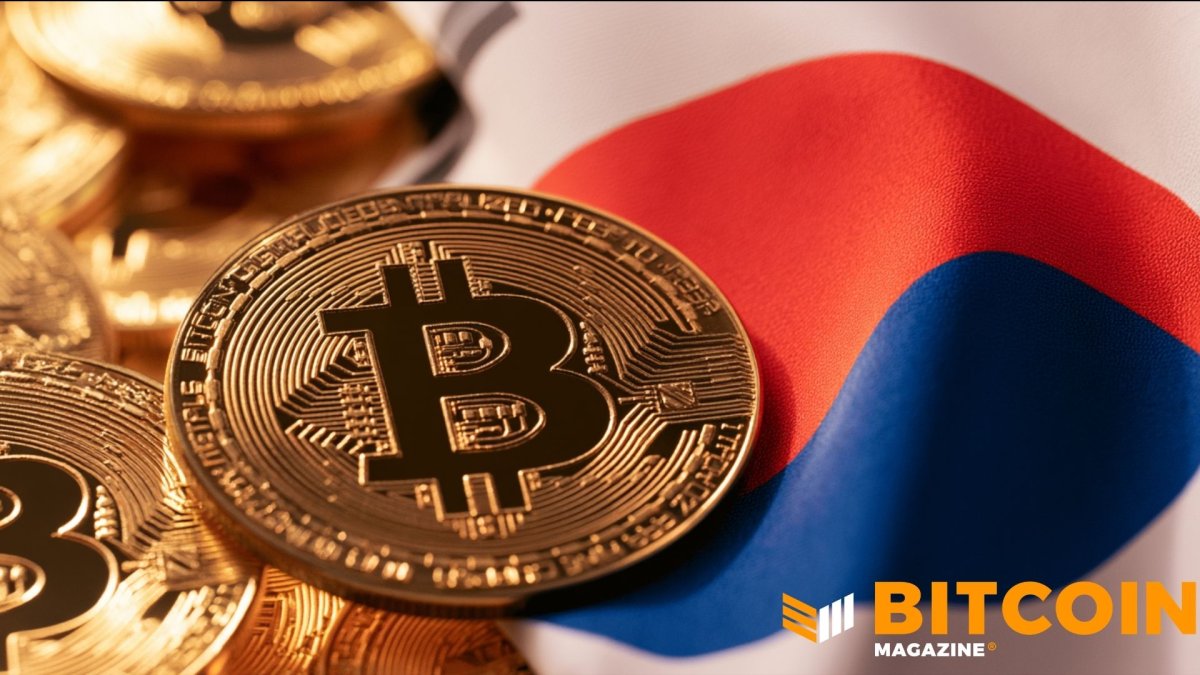
The Bank of Korea (BOK) is taking significant steps to regulate stablecoins by drafting an amendment to the Foreign Exchange Transactions Act. This initiative aims to classify stablecoins as a means of payment, which would require reporting their cross-border movements. The BOK's report, submitted on October 22, indicates that the central bank is collaborating with the government to address the regulatory landscape surrounding virtual assets, particularly focusing on cross-border transactions.
The proposed amendment is not yet a finalized bill; rather, it is a plan to create one before the end of the year. The BOK has not provided specific details regarding the draft text or any particular stablecoins that would be affected. However, the classification of stablecoins as a means of payment suggests that they would be subject to the same regulatory scrutiny as traditional financial instruments, such as wire transfers, rather than being recognized as legal tender for everyday transactions.
This regulatory move comes in response to concerns about illegal transactions facilitated by the use of stablecoins, particularly through mechanisms like mixers and personal wallets. The BOK's focus on tightening regulations around stablecoins reflects a broader strategy to enhance oversight of the cryptocurrency market in South Korea, especially given the existing capital controls that contribute to phenomena like the kimchi premium.
Proposed Amendments to Forex Law
In parallel with the stablecoin regulation efforts, the BOK is also working on the Digital Asset Basic Act, which aims to establish a licensing framework for cryptocurrency operations and stablecoin issuance. Financial Services Commission chairman Lee Eog-weon has indicated that consultations regarding this legislation are nearing completion, with the expectation that a formal bill will be introduced soon. This legislative framework is part of South Korea's broader strategy to integrate digital assets into its financial system by 2026.
The BOK's efforts to regulate stablecoins and the ongoing development of the Digital Asset Basic Act highlight the complexities of integrating cryptocurrencies into existing financial regulations. The proposed measures aim to close regulatory gaps that have allowed for the exploitation of the current system, particularly in relation to cross-border transactions. However, the lack of a clear timeline for the passage of these laws raises questions about the immediate future of stablecoin transactions in South Korea.
As the BOK works on stablecoin regulations, discussions surrounding cryptocurrency taxation are also intensifying. South Korea's crypto income tax is set to take effect on January 1, 2027, following multiple delays. Lawmakers are currently debating the implications of taxing a market that lacks a clear legal framework, with some advocating for a thorough review of the proposed tax before its implementation.
Implications for Stablecoins and Transactions
Democratic Party leader Kim Min-seok has called for a comprehensive final review of the crypto tax, signaling a shift in the party's stance from previously supporting the 2027 timeline. Two petitions have gained traction, one seeking to repeal the tax and another requesting a two-year deferral, each surpassing the 50,000 signatures required for legislative consideration. This growing public sentiment reflects the uncertainty surrounding the tax's impact on the cryptocurrency market.
The National Tax Service is expected to finalize its draft tax notice by October 30, which will provide further clarity on how the crypto tax will be implemented. However, the lack of a defined legal framework for cryptocurrencies raises concerns about the feasibility and fairness of taxing digital assets. Lawmakers are grappling with the challenge of creating a tax system that accurately reflects the evolving nature of the cryptocurrency market.
The intersection of stablecoin regulation and cryptocurrency taxation presents a complex landscape for stakeholders in South Korea's digital asset ecosystem. As the BOK moves forward with its plans to regulate stablecoins, the implications for users and businesses engaging in crypto transactions remain uncertain. The potential for increased regulatory scrutiny could impact the attractiveness of stablecoins as a payment method.
Ongoing Crypto Tax Discussions and Legislative Challenges
Moreover, the BOK's focus on monitoring cross-border transactions indicates a broader trend towards tightening controls over digital assets. This could lead to a more restrictive environment for cryptocurrency users, particularly those who engage in self-custody practices. The implications of these regulatory changes may extend beyond stablecoins, affecting the entire cryptocurrency market in South Korea.
As South Korea navigates the complexities of cryptocurrency regulation and taxation, the outcomes of these legislative efforts will be closely watched by industry participants and investors alike. The BOK's initiatives reflect a growing recognition of the need for a regulatory framework that balances innovation with consumer protection and financial stability.
In conclusion, the Bank of Korea's push to regulate stablecoins and the ongoing discussions surrounding cryptocurrency taxation underscore the challenges and opportunities facing South Korea's digital asset landscape. As the government works to establish a clear regulatory framework, the future of stablecoins and the broader cryptocurrency market in the country remains uncertain, with significant implications for users and investors.
Source: BitcoinMagazine