


Key points
- Librería de Satoshi has rebranded as ISMOS and launched a global education platform targeting one million Bitcoin developers.
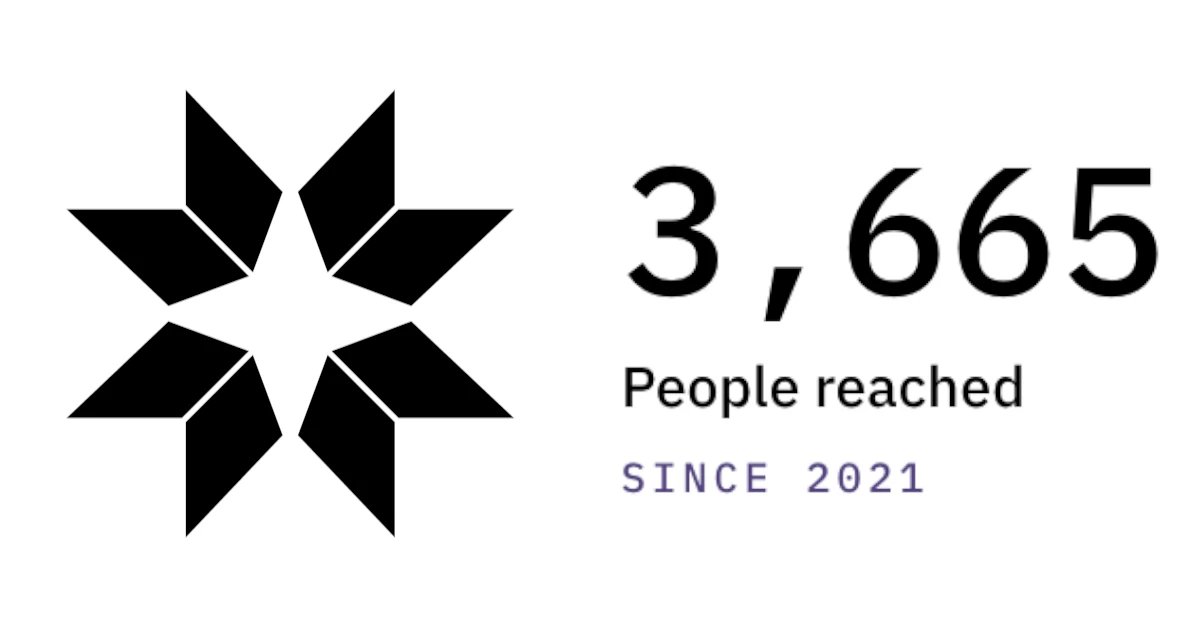
- Since 2021, it says it has reached more than 3,665 people in over 40 countries and financially supported 30 open-source developers.
- Programs include study, mentorship and fellowships in Spanish, Portuguese and English, with more languages planned.
From a Spanish-language Bitcoin school to a global platform
Librería de Satoshi, a technical education organization that began as a Bitcoin school for Spanish speakers, has rebranded as ISMOS and announced a global platform with a new website. The change marks an effort to take its education mission beyond its original audience. ISMOS says it wants to expand Bitcoin and open-source developer learning worldwide, using local hubs and programs delivered in local languages.
The organization presents the rebrand as a continuation of work that began in Latin America, rather than a departure from its roots. Founder and CEO Dulce Villarreal said her firsthand experience of language barriers in Bitcoin helped motivate the original project. She described the wider initiative as an attempt to make it possible for future developers to emerge from any location, while recognizing that access to opportunity is not evenly distributed.
ISMOS says that since 2021 it has reached more than 3,665 people across more than 40 countries and provided financial support to 30 open-source developers. Those figures offer a measure of the organization’s activity before the global-platform announcement. They do not, by themselves, indicate how many participants completed training or became developers, but they show that its work has extended beyond a single country or classroom.
A multilingual path across technical disciplines
The platform’s stated ambition is to train one million Bitcoin developers around the world. ISMOS describes its approach as an ecosystem bringing together educators and technology creators, with opportunities both to learn and to teach. It plans to establish local hubs and extend programming into more regions and disciplines. The announcement sets out a scale and direction for the project, but does not provide a timetable for reaching the million-person target.
ISMOS combines structured study programs with direct mentorship and fellowships. Its current program languages are Spanish, Portuguese and English, with additional languages planned. That multilingual design responds to the organization’s stated concern about language barriers and could make technical instruction more accessible to people outside English-speaking communities. The announcement does not name the next languages or specify when they will be added.
The subjects listed for the education platform extend beyond Bitcoin. They include cryptography, cybersecurity, mathematics, artificial intelligence, Nostr, open-source software and open AI models. This broad curriculum reflects ISMOS’s description of itself as a technical education ecosystem for what it calls “freedom technologies.” The source does not detail course sequences, prerequisites or how learners will move between these fields, so the precise shape of the training path remains to be seen.
Support for developers beyond coursework
The organization says its purpose is not limited to offering courses: it also aims to provide individual support to promising developers. Its named initiatives include B4OS, or Bitcoin 4 Open Source, as well as fellowships and developer residencies. ISMOS says this support is intended to respond to each participant’s language, level and needs. The announcement describes the model but does not give details on selection criteria, program size or duration.
That added support matters to ISMOS’s stated goal of helping people build technical careers, rather than simply exposing them to educational material. Villarreal argued that someone coding in Argentina, Nigeria or El Salvador deserves the same chance to develop a first-class career as someone in Silicon Valley or London. The statement frames the program around access and geography; it does not promise equal outcomes or specify how the organization will assess career progress.
ISMOS says its platform is open source and invites software developers to explore its tools through the project’s GitHub repository at github.com/ismos-xyz. Making tools available openly offers a way for developers to inspect or engage with the platform’s software. The announcement does not identify particular tools, describe their current functions or explain how outside contributions are managed, so the practical scope of the repository cannot be established from the release alone.
Ambitions, backing and unanswered questions
The organization identifies Btrust and the Human Rights Foundation as its primary current supporters. It also says OpenSats and the Gemini Opportunity Fund backed its work in the past through smaller grants. This funding context is relevant as ISMOS moves from a Latin American initiative toward a global operation: expanding programs and local hubs requires support, though the announcement does not disclose grant amounts, budgets or the financial commitments associated with the new platform.
ISMOS describes the launch as the outcome of nearly five years of growth and a renewed commitment to equal opportunity. Its combination of multilingual study, mentorship and financial support for open-source developers suggests an attempt to connect education with practical development work. However, the source gives no measurable targets beyond the ambition to train one million developers, and does not explain how the organization will count trainees or report the results of its programs.
The announcement therefore establishes ISMOS’s intended reach and the main elements of its model, while leaving implementation questions open. It does not say when the local hubs will be created, how many learners the platform can serve, or when further languages will arrive. Nor does it explain how fellowships and residencies will be allocated. The next evidence of progress will be whether the organization can turn its global ambition into accessible programs and sustained support.
Source: BitcoinMagazine