How to choose a crypto wallet for beginners

What a Crypto Wallet Is and Why Beginners Need One
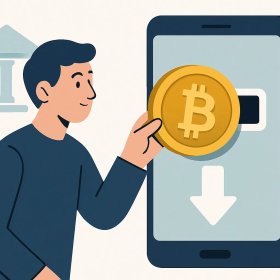
A crypto wallet is not a wallet in the old-fashioned sense, with bills and coins tucked inside. It is better understood as a tool that lets you access and manage your cryptocurrency. Your coins do not “live” inside the wallet the way cash lives in a leather fold. What the wallet really stores is the key that proves the coins belong to you and lets you move them.
That distinction matters, especially for beginners. When you leave crypto on an exchange, the platform is holding those keys on your behalf. That can be convenient, because you can buy, sell, and trade without much setup. But it also means you are trusting the exchange to keep funds available and secure. If you move your crypto into your own wallet, you take direct control. In practice, that usually means more responsibility too.
For someone just getting started, the decision is not only about security. It is also about habits. If you plan to buy and sell often, maybe you want quick access and a simple interface. If you are thinking longer term, self-custody may feel more appropriate. Many beginners first learn how to buy an asset like Bitcoin or Ethereum, then later decide to move it out of an exchange. If you are comparing where to acquire assets in the first place, the guides on where to buy Bitcoin and where to buy Ethereum can help you understand the broader flow from purchase to storage.
The main takeaway is simple: a wallet is the tool that gives you control. Without one, you are usually relying on someone else’s system. With one, you are responsible for access, backups, and safety.
Hot Wallet vs Cold Wallet: Which Type Fits Your Needs?
The first big choice is usually between a hot wallet and a cold wallet. The difference is straightforward. Hot wallets are connected to the internet. Cold wallets are kept offline, or at least offline most of the time. That one difference shapes almost everything else: convenience, speed, and security.
Hot wallets are easier for everyday use. They are often mobile apps, browser extensions, or desktop programs. If you want to check balances quickly, send crypto to a friend, or move funds after a trade, a hot wallet feels natural. It is the digital equivalent of keeping a small amount of cash in your pocket.
Cold wallets, on the other hand, are built for protection. Hardware wallets are the most common example. They usually keep private keys offline and require physical confirmation before a transaction can be signed. That extra step slows things down, but it also adds a useful barrier against remote attacks. For someone holding a larger amount, that tradeoff can be worth it.
For beginners, the question is not “Which one is best?” but “What do I need right now?” If you are just experimenting with modest amounts and plan to transact frequently, a hot wallet may be enough. If your priority is long-term storage and you do not need daily access, a cold wallet may be the better fit.
Think of it in layers. A hot wallet can handle the funds you use actively. A cold wallet can store the part you want to keep untouched. That approach is common because it balances convenience with caution.
Step-by-Step: How to Choose a Crypto Wallet for Beginners
Choosing a wallet becomes much easier when you break it into a few practical questions. Instead of trying to compare every product at once, start with your own use case.
Decide what you will use the wallet for.
Are you buying once and holding? Trading frequently? Sending funds to friends? Each use case points toward a different kind of wallet. A long-term holder may care more about security. A frequent trader may care more about speed and simplicity.
Check which coins and networks are supported.
This part gets ignored surprisingly often. A wallet may support one asset but not another, or it may support a token only on certain networks. If you plan to hold Bitcoin, Ethereum, or Solana, make sure the wallet actually supports the coins you want. If you need more guidance on asset-specific buying options, you can also look at the pages for where to buy Solana and where to buy XRP.
Review security features.
Look for basic protections such as PIN access, biometric login, backup recovery support, and clear transaction confirmations. For hardware wallets, pay attention to how recovery is handled and how the device verifies actions.
Judge ease of use honestly.
Some wallets are technically excellent but awkward for beginners. A clean interface, understandable labels, and simple navigation matter more than flashy features you may never use. If a wallet feels confusing during setup, that is a warning sign, not a badge of sophistication.
Choose the right platform.
Mobile wallets are handy for everyday access. Desktop wallets are useful if you prefer managing funds from a computer. Web wallets are quick to reach but depend more heavily on browser security. Hardware wallets are the strongest choice for keeping control of larger balances, though they require a bit more learning.
A beginner does not need to master everything at once. The goal is to match the tool to the task. If you are unsure, start with a simple wallet and keep the amount small until you are comfortable.
Best Crypto Wallet for Beginners: What Features to Look For
People often ask for the best crypto wallet for beginners as if there were one universal answer. There isn’t. There is only the best wallet for a particular person, with a particular level of experience, holding a particular set of assets. Still, some features consistently make life easier.
First, look for a simple setup. A beginner should not need to decode complicated terminology to create a wallet or send a transaction. The process should be clear from start to finish, without hidden steps or confusing jargon.
Second, the interface should be easy to read. If you have to hunt for the receive address, the backup settings, or the send button, that wallet is already making ordinary tasks harder than they should be. A good design reduces the chance of mistakes. That matters because many wallet errors are not technical failures; they are user errors under pressure.
Third, recovery options matter more than newcomers expect. A wallet can be excellent on a good day and useless on a bad one if you lose access. Backup and recovery tools should be easy to understand, clearly explained, and tested before you deposit significant funds.
Fourth, security controls should be obvious. Two-factor authentication, if available, is useful for online services. In hardware wallets, physical confirmation and secure key storage are the point. In every case, the user should know what is being protected and how.
Finally, reputation counts. Not in the shallow sense of popularity, but in the deeper sense of trust. Has the wallet been around long enough to be understood? Is the company transparent about updates and risks? Are users reporting stable performance over time? These questions do not guarantee safety, but they help you avoid reckless choices.
Security Checklist Before You Install or Buy a Wallet
Before you install a wallet or buy a device, slow down and do the boring part. Boring is good in crypto. Boring usually means fewer mistakes.
Write down your seed phrase exactly as instructed.
This backup phrase is usually the key to recovering your wallet if the device is lost or damaged. Keep it offline and never store it in a screenshot, email, or cloud note. If someone gets that phrase, they may be able to access your funds.
Use two-factor authentication where it applies.
This is especially important for exchange accounts and any wallet service that offers account-based protection. It does not make you invincible, but it does add friction for attackers.
Protect the device you use.
A wallet is only as secure as the phone, computer, or hardware device it runs on. Keep your operating system updated, avoid suspicious browser extensions, and do not install random software just because someone in a forum recommended it.
Download only from official sources.
Fake wallet apps and clone websites are a real risk. Always double-check the source before installing anything. If the naming looks slightly off or the website feels rushed, pause and verify.
Do not share your recovery phrase with anyone.
No support agent, no “verification” chat, and no helpful stranger should ever need it. If someone asks for it, that is the end of the conversation.
If you are still using an exchange, it is worth learning how to move funds properly. A practical guide like How to Withdraw Cryptocurrency from an Exchange to a Wallet can make the process less intimidating.
Comparing Popular Wallet Types for Real-World Use
In theory, wallet choice is about features. In real life, it is about habits. A person who checks markets every day has different needs from someone who buys once a month and forgets about it. That is why a practical comparison matters.
| Wallet type | Best for | Strengths | Tradeoffs |
|---|---|---|---|
| Software wallet | Small amounts, frequent access, everyday use | Convenient, quick to set up, usually easy to learn | Connected to the internet, so it needs careful device hygiene |
| Hardware wallet | Long-term storage, larger balances, higher security needs | Private keys stay offline, strong protection against remote threats | Costs more, takes longer to use, less convenient for constant trading |
| Exchange wallet | Active trading, short-term holding, beginners who are not ready for self-custody | Easiest to use if you already trade on the platform, no separate setup | You do not fully control the keys; you depend on the exchange |
For many beginners, the exchange wallet is the first stop, not the final destination. It is useful as a staging area, especially when learning the basics of buying and selling. But once you understand how custody works, self-custody becomes a more serious option.
Hardware wallets are usually the best fit when someone wants to reduce exposure and hold assets for a longer period. Software wallets sit in the middle. They are a compromise: easier than hardware, safer than leaving everything on an exchange, though not as robust as an offline device.
If you are still checking whether a platform itself is trustworthy, it is sensible to learn how to verify a cryptocurrency exchange is legitimate before moving funds there at all.
Common Mistakes Beginners Make When Choosing a Wallet
Most early mistakes come from rushing. That is understandable. Crypto moves fast, and beginners often feel pressure to act before they fully understand the landscape. Still, a few errors appear again and again.
One common mistake is choosing a wallet only because it is popular. Popularity can be useful as a clue, but it is not a substitute for fit. A wallet may be excellent for one type of user and awkward for another. If it does not support your coins or match your security preferences, popularity will not save you.
Another mistake is ignoring supported assets. This one causes frustration quickly. A beginner may set up a wallet, transfer funds, and then discover that the wallet does not handle the token or network they planned to use. That kind of surprise is avoidable with a few minutes of checking.
Skipping backup setup is another serious problem. The moment a wallet is created, the recovery process should be understood and secured. Do not wait until something goes wrong. A missing backup can turn a small problem into a permanent loss.
Some beginners also confuse custody with ownership. If an exchange holds the keys, you may see the balance in your account, but that is not the same as fully controlling the funds. Ownership in crypto is tied to access. Without the keys, you are relying on someone else’s promise.
Finally, people sometimes overcomplicate the decision. They delay for weeks trying to find the “perfect” wallet and end up doing nothing. In practice, a solid, well-understood wallet is better than an imaginary ideal that never gets chosen. Start with something suitable, learn the process, and upgrade later if your needs change.
Final Recommendation: How to Match the Wallet to Your Goals
The best way to choose a crypto wallet for beginners is to begin with your own behavior, not with the product list. Ask yourself how often you trade, how much you plan to hold, and how much convenience you are willing to give up for security.
If you trade often and keep only a modest amount on hand, a simple software wallet or even an exchange wallet may be enough for now. If you plan to hold for months or years, a hardware wallet becomes more appealing. If you want both flexibility and protection, many users split the difference: a hot wallet for spending and smaller transfers, and a cold wallet for storage.
The practical answer is rarely dramatic. It is usually a balance. A beginner does not need the most advanced setup on day one. What matters is that the wallet is reputable, compatible with your assets, simple enough to use correctly, and secure enough for the amount you are holding.
If you remember only one thing, remember this: the right wallet is the one you can use confidently without making avoidable mistakes. That may sound plain, but in crypto, plain is often exactly what you want.
HYIP Articles
Random quote about money
"Деньги — как навоз: если их не разбрасывать, от них будет мало толку."
Interesting posts in other sections of the blog










 ↑
↑
* to search the proxy database, just enter a country name, e.g. Russia, USA, Thailand