Crypto Exchange Deposit Methods
What “Crypto Exchange Deposit Methods” Means
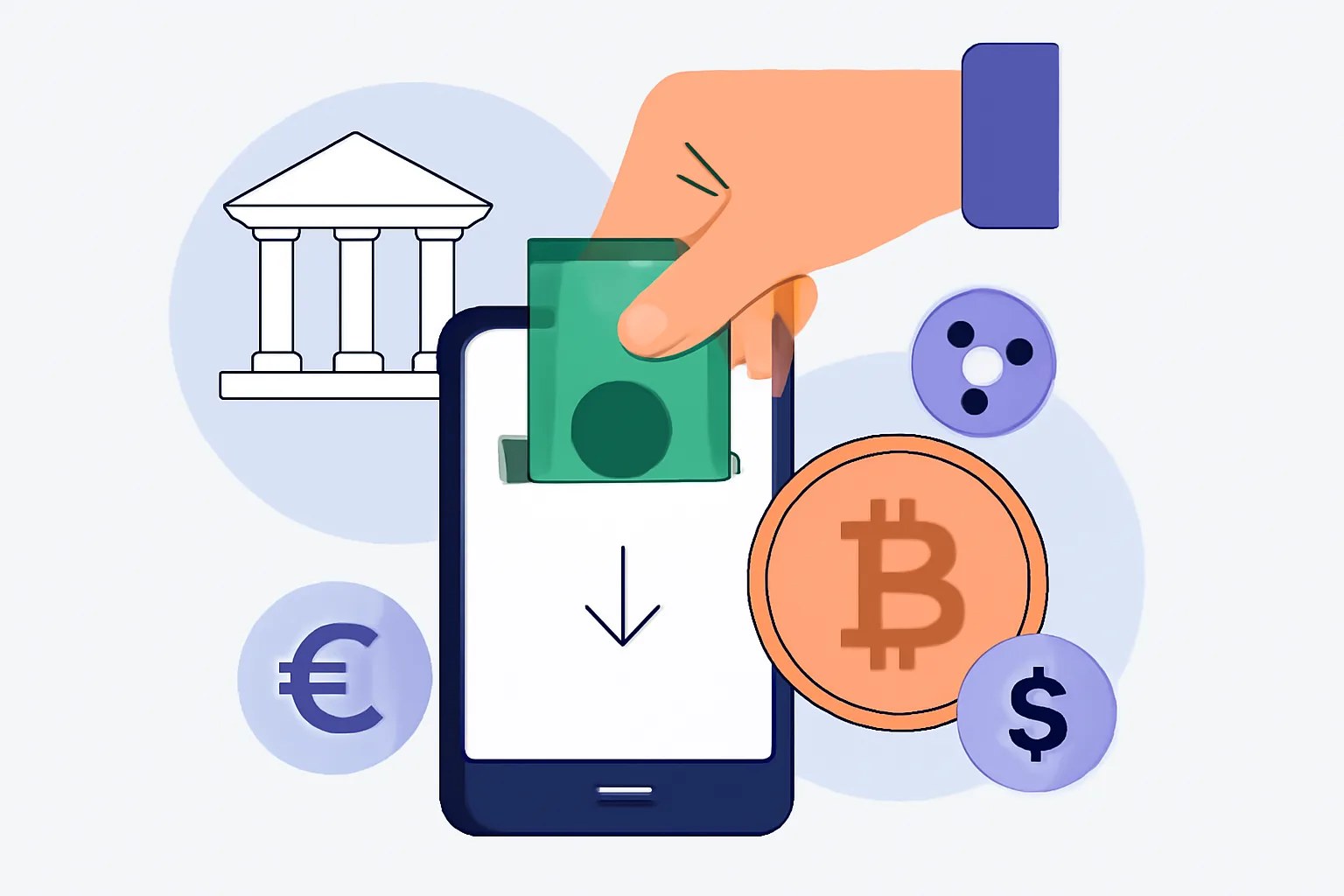
When people talk about crypto exchange deposit methods, they mean the different ways you can move value into an exchange account so you can start trading, swapping, or holding assets. In practice, that usually falls into three broad buckets: fiat deposits, crypto transfers, and third-party payment options.
Fiat deposits are the traditional route. You send money from a bank account or pay with a card, and the exchange credits your account balance in local currency or a stable equivalent. Crypto transfers work differently: you already own digital assets in an external wallet or on another platform, and you move them to your exchange wallet using a blockchain transaction. Third-party payment options sit somewhere in between. Depending on the exchange and region, you may see services like PayPal or other local payment processors.
The important thing is that “deposit method” is not just a technical detail. It affects how fast your funds arrive, what fees you pay, whether you need identity verification, and even which coins you can buy. Someone trying to purchase Bitcoin quickly for a short-term trade will likely choose a different route from someone funding a larger account for regular investing. If you are comparing platforms for specific assets, it can also help to read exchange-by-exchange guides such as where to buy Bitcoin or the pages for other major coins.
Main Deposit Methods Used by Crypto Exchanges
Most exchanges support a mix of deposit methods, though the exact list changes by platform, country, and compliance policy. A service that works smoothly in one region may be missing entirely in another. That is why the deposit page matters just as much as the trading screen.
Bank transfer
Bank transfer is often the most familiar option for fiat funding. You send money from your bank account to the exchange’s designated account, usually through local bank rails, ACH, SEPA, Faster Payments, or similar systems depending on your region. It is often preferred for larger deposits because it can be cheaper than card payments. The trade-off is speed: some transfers are close to instant, while others can take a business day or more.
Debit and credit card
Card deposits are popular because they are simple and quick. You enter your card details, confirm the payment, and the funds may appear almost immediately. That convenience can come with extra costs, though, including card processing fees, foreign exchange costs, and bank-side security checks. Some card issuers also reject crypto-related payments, so a failed transaction does not always mean you did something wrong.
Wire transfer
Wire transfers are often used for larger amounts or for users who want a more traditional banking route. They may be slower and sometimes more expensive than local bank transfers, but they can be useful when an exchange supports them and the user needs a higher limit. As always, the exact process depends on whether the exchange uses domestic wires, international wires, or both.
PayPal and similar services
Some exchanges allow deposits through PayPal or comparable third-party payment services, but this is not universal. When available, these methods can be convenient for users who already use those services regularly. The catch is that support can be region-specific and may come with limits, extra checks, or higher fees.
Crypto deposits from an external wallet
Crypto deposits are the native option for anyone already holding digital assets. You generate a deposit address on the exchange, send coins from your wallet, and wait for blockchain confirmations. This method is common for experienced users and for those moving funds between platforms. It is also the route most likely to punish small mistakes, such as sending on the wrong network or copying an incomplete address.
For users comparing altcoin access, the deposit method matters because not every exchange supports the same chains or assets. If you are looking at altcoins in particular, it is worth reading how to choose a crypto exchange for altcoins before you fund the account.
How to Choose a Crypto Exchange
Choosing an exchange is not just about the coin list or the headline trading fee. A practical checklist starts with the deposit methods you actually intend to use, then moves outward to security, regulation, asset support, and withdrawal flexibility.
Supported deposit methods: Make sure the exchange accepts the funding route you prefer, whether that is bank transfer, card, or crypto deposits.
Security: Look for basic protections such as two-factor authentication, withdrawal whitelists, anti-phishing tools, and a clear security history.
Regulation and licensing: Check whether the platform is licensed, registered, or otherwise operating under a framework relevant to your country.
Supported assets: If you want access to Bitcoin, Ethereum, Solana, XRP, or other altcoins, confirm that the exchange lists them and supports the deposit network you plan to use.
Ease of use: A good platform should make it easy to find deposit instructions, fees, and confirmation statuses without hunting through menus.
Customer support: Fast, responsive support can matter a great deal when a deposit is delayed or flagged for review.
Withdrawal options: Depositing is only half the story. If you cannot withdraw to your bank or your own wallet in a way that suits you, the platform may not fit your needs.
It is also wise to think about your likely trading behavior. A user who plans to buy and hold may prioritize low-fee bank transfers and strong withdrawal support. A trader moving between several coins might care more about instant card funding and broad crypto network compatibility. If you are still narrowing down a platform, compare the practical details instead of chasing promotional headlines.
Crypto Exchange Fees: What Deposits Can Cost You
Deposit costs are easy to underestimate because they rarely show up in one single line. Instead, they can appear as a mix of exchange fees, banking charges, network costs, and pricing differences built into the transaction.
Deposit fees
Some exchanges charge a direct fee for funding your account, while others advertise free deposits but make money elsewhere. Free deposits are good news, but always check whether the exchange is compensating through a wider spread or a higher withdrawal fee.
Card processing fees
Card deposits often carry processing fees because the exchange pays a payment processor, and that cost is passed to the user. In some cases, your bank may also treat the purchase as a cash advance or apply its own extra charges.
Bank transfer fees
Bank transfers are often cheaper than card payments, but not always free. Your bank may charge an outgoing fee, and international wires can include intermediary bank costs. The exchange itself may also impose a handling fee, especially for certain currencies or smaller transfers.
Currency conversion costs
If your bank account is in one currency and the exchange settles in another, conversion can create an extra cost. Sometimes it is explicit. Sometimes it is buried in the exchange rate. Either way, it matters. A small percentage difference can quietly eat into a deposit before you have even placed a trade.
Blockchain network fees
Crypto deposits usually require a network fee, which is paid to miners or validators rather than the exchange itself. The size of that fee depends on the blockchain and the current network activity. This is one reason a transfer may seem inexpensive on one chain and relatively costly on another.
Hidden spread costs
Finally, there is the spread: the gap between the price you see and the price you actually get. A platform may advertise no deposit fee, but the effective cost still shows up when the exchange rate is slightly less favorable. That is why “free” is not always truly free.
Deposit Speed, Limits, and Verification Requirements
Speed and limits vary widely by method, and verification status often determines what you can use at all. That can be frustrating, but it is also part of how exchanges manage risk and comply with anti-money-laundering rules.
Card payments are usually the quickest way to get started, though they are not guaranteed to be instant. Bank transfers can be fast when they use modern local rails, yet slower when they rely on traditional banking systems. Wire transfers may take longer still, especially if more than one bank is involved. Crypto deposits depend on blockchain confirmation times, which can be very quick on some networks and slower on others.
Limits are another practical issue. New accounts often face stricter deposit caps until the user completes identity verification. Even after verification, some deposit methods may still have lower limits than others. A card may allow only modest funding, while a bank transfer could support larger amounts.
KYC and identity checks can also affect availability. On some exchanges, you cannot use certain deposit methods until you submit identification documents and the platform reviews them. In other cases, you may be able to deposit but not withdraw until verification is complete. This is inconvenient, but it is common. For users who want to avoid delays later, it is better to complete verification early rather than right before a time-sensitive trade.
Step-by-Step: How to Make a Deposit Safely
Funding an exchange account is straightforward when you slow down and check the details. A few careful minutes can prevent a costly mistake later.
Create your account. Use a strong password and enable two-factor authentication before you add funds.
Complete verification if required. Upload the requested documents and wait for approval if the exchange needs KYC.
Open the deposit section. Choose whether you want to deposit fiat or crypto.
Select the right method. Pick bank transfer, card, wire, PayPal-style service, or crypto deposit, depending on what the exchange supports in your region.
Review all details carefully. For bank deposits, confirm the reference information. For crypto deposits, verify the network, address, and any required memo or tag.
Send a small test if needed. This is especially sensible for crypto transfers or larger deposits when you are using a new route.
Confirm and wait. Keep the receipt or transaction ID until the funds appear in your account.
A good habit is to pause before pressing send. Check the network twice, not once. If the exchange tells you to use one chain and you choose another, the result can range from delay to permanent loss. That is the kind of mistake that makes experienced traders quietly reread the instructions every time.
Common Problems With Exchange Deposits
Even simple deposits can go wrong. Most issues fall into a handful of familiar categories, and many can be solved with a bit of patience and documentation.
Failed card payments
Card deposits can fail because of issuer restrictions, fraud checks, daily limits, or simple mismatches in billing information. If that happens, check whether your bank blocked the transaction, whether the card supports online international payments, and whether the exchange requested extra authentication.
Delayed bank transfers
Bank transfers may arrive later than expected because of cut-off times, weekends, holidays, or internal review on either side. If the transfer reference was entered incorrectly, the deposit might not be credited automatically. Keep the transfer receipt and contact support with the transaction details.
Wrong wallet addresses
Crypto addresses must be copied exactly. One incorrect character can ruin the transfer. It is also essential to send to the correct address format and asset type. BTC to a BTC address is fine; BTC to an incompatible address is not.
Network mismatches
One of the most common mistakes is choosing the wrong blockchain network. An exchange may support a token on multiple chains, but deposits usually require one specific route. If the network on your wallet does not match the exchange instructions, the coins may not arrive properly.
Compliance holds
Sometimes a deposit is delayed because the exchange flags the transaction for review. That can happen with large amounts, unusual patterns, or incomplete verification. It is annoying, but it is not always a sign of wrongdoing. In many cases, the fix is simply to respond to the exchange’s request for more information.
Final Tips for Choosing the Best Deposit Method
The best deposit method is the one that fits your real priorities, not the one that looks best in a banner ad. If you care most about speed, a card or fast local bank rail may be the answer. If you care most about cost, a bank transfer or direct crypto deposit may be better. If you care most about simplicity, a familiar payment service might win out where it is available.
Security should sit at the center of the decision. Use exchanges that make deposit instructions clear, support the networks you need, and handle verification in a transparent way. Also think ahead to withdrawals. A platform that is easy to fund but difficult to exit is not much of a solution.
Finally, match the exchange to your trading habits. Someone buying a few major assets can often choose a mainstream platform with common fiat rails. Someone trading smaller-cap tokens may need a more flexible exchange with broader crypto deposit support and better altcoin access. In that case, it helps to compare platforms carefully and read practical guides before sending funds.
If you take one lesson from this guide, let it be this: deposit methods are not a minor detail. They shape the entire experience of using a crypto exchange. A little research upfront can save fees, reduce delays, and keep your funds where they belong.
HYIP Articles



Random quote about money
"В основе искусства и литературы, как и в основе войны, лежат деньги."
Interesting posts in other sections of the blog









 ↑
↑
* to search the proxy database, just enter a country name, e.g. Russia, USA, Thailand