How to Buy Uniswap Safely: Step-by-Step Guide
How to Buy Uniswap Safely: Step-by-Step Guide
Uniswap has become one of the best-known names in decentralized finance, and UNI is the token most people mean when they talk about buying into the project. The protocol is the exchange itself; UNI is the governance token that gives holders a say in some parts of the project. That distinction matters. A lot.
If you are trying to learn how to buy Uniswap safely, start by separating the product from the token. Uniswap the protocol lets users swap assets on-chain through smart contracts, while UNI is an ERC-20 token traded on exchanges and held in wallets like any other crypto asset. One is software. The other is the asset people buy.
1. What Uniswap Is and How UNI Fits In
Uniswap began as a decentralized exchange on Ethereum, and it still works through liquidity pools rather than a traditional order book. That structure lets users trade without handing control of funds to one central company. Simple idea. Tricky execution.
UNI entered later as the governance token. Holders can vote on certain protocol proposals, though those votes do not mean direct control over every part of the platform. People sometimes assume the token and the exchange are the same thing, and that mistake leads to poor buying decisions, especially when they search for the token on the wrong market or click a fake listing.
The practical point is plain: buying UNI is not the same as using Uniswap. You can buy UNI on a centralized exchange, move it to a wallet, and never touch the Uniswap protocol. Or you can use the protocol to swap another token for UNI on-chain. Both paths exist. Both need care.
2. Risks to Know Before You Buy
UNI can move fast, and price volatility is the first risk most buyers notice. A 5% swing in a day is not unusual in crypto, and that kind of movement can punish a rushed market order. If you are not ready for sharp changes, size the position smaller than your instinct says.
Scam tokens are another problem. Fraudsters copy token names, logos, and even ticker symbols, then list them where inattentive buyers can mistake them for the real thing. Fake websites do the same thing with URLs. One wrong click can mean a bad approval, a wrong contract, or a drained wallet.
Wallet security matters just as much. If someone gets your seed phrase, your funds are exposed. If you approve a malicious contract, your tokens can be taken later without another warning. That risk sits inside the transaction flow itself, not only in the website you visit.
Smart contract risk also deserves respect. Uniswap has been widely used, but no contract is magical, and no protocol is free of technical or governance risk. Bugs, integrations, and external attacks can still create losses. There is no safe word. Only better habits.
3. Choose a Safe Place to Buy UNI
Most buyers choose between a centralized exchange and a decentralized exchange. Centralized exchanges are easier for beginners because they support card purchases, bank transfers, and simpler order screens. Decentralized exchanges put more control in your hands, but they also put more responsibility there. If you want a broader framework for platform choice, see crypto exchange order types explained and compare how each market handles market orders, limit orders, and slippage.
A reputable centralized exchange usually has a long operating history, public security pages, two-factor authentication, withdrawal whitelists, and clear support channels. Those are not guarantees, but they are visible signs that a platform is trying to reduce risk. A short-lived site with no company details and no real contact trail is a bad place to start.
Decentralized exchanges can be legitimate, but the user must verify the contract, the pool, and the route. One typo can send you to the wrong token. One fake interface can ask for permission to something dangerous. If you have ever read about how to buy avalanche safely, the same warning applies here: the token can be real while the front end is fake.
There is also a practical obstacle on centralized platforms: identity checks. Some exchanges stop at basic email signup, while others require documents and a selfie before any real trading starts. For a closer look at that headache, read about crypto exchange account verification problems. The delays can be annoying, but skipping a platform with no standards is usually worse.
4. Set Up a Secure Wallet
If you plan to hold UNI for more than a short trade, create a personal wallet before you buy. A self-custody wallet gives you control of your keys, and control is the whole point. Choose a reputable wallet provider, download it from the official site, and check the domain twice. Then check it again.
Back up the seed phrase offline. Write it on paper or store it on a durable offline medium, then keep it somewhere private and physically secure. Do not save it in a cloud note. Do not email it to yourself. Do not screenshot it. Three bad habits, one easy loss.
Enable every strong security setting the wallet offers: a passcode, biometrics if available, and transaction confirmations. A hardware wallet adds another layer by keeping private keys off an internet-connected device, which is useful if the amount is large enough to justify the extra step. Six extra seconds can save six months of regret.
Phishing attacks usually look boring, which is why they work. An email that says your wallet is “locked,” a browser pop-up asking for recovery words, or a Telegram account pretending to be support can all be traps. Never type your seed phrase into a website. Never. Real support teams do not ask for it.
5. Buy UNI Step by Step
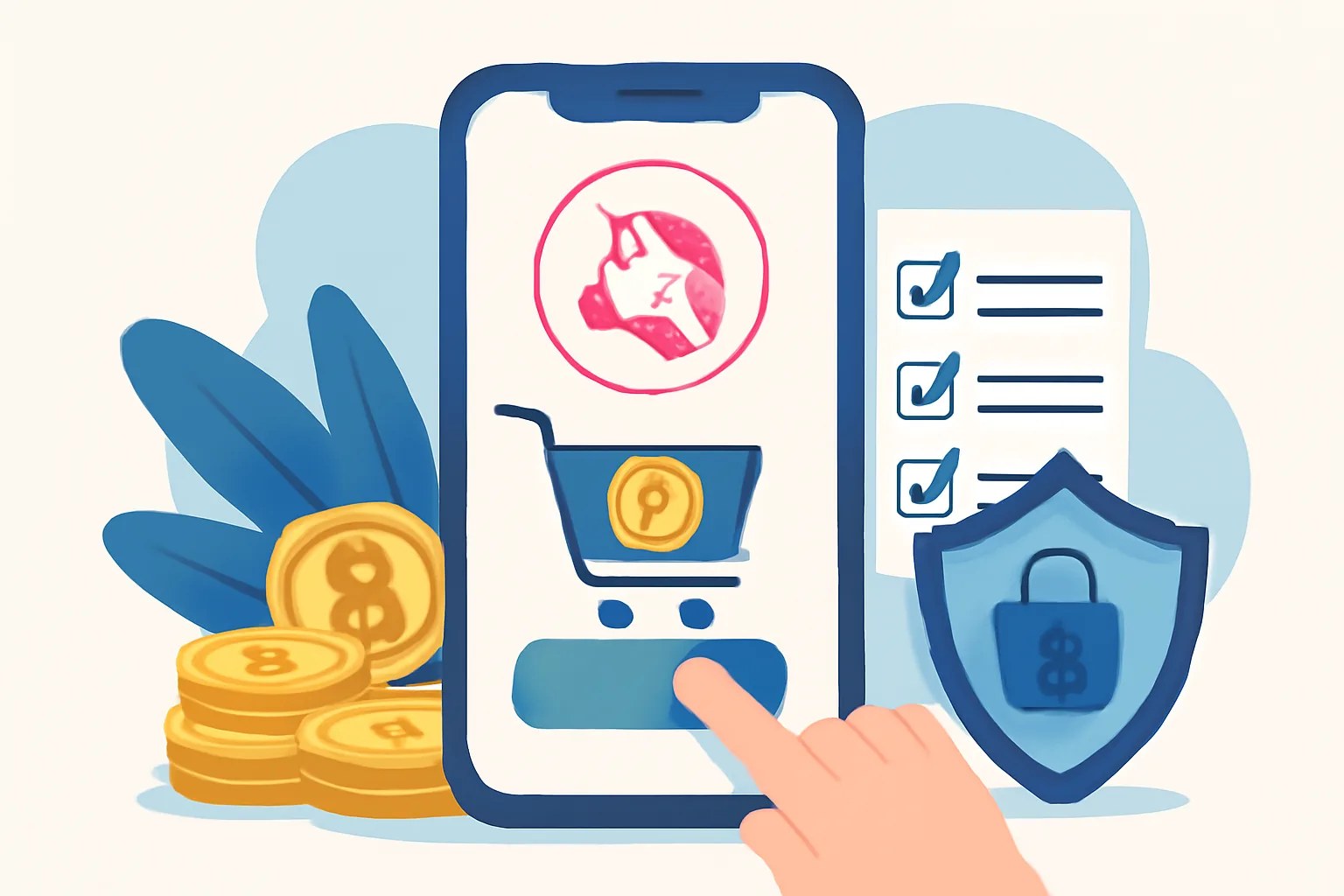
The process is straightforward, but each step should be done carefully. First, sign up on the chosen exchange or connect a wallet to a decentralized platform. Second, complete verification if the platform requires it. Third, fund the account with fiat or crypto. Fourth, place the order. Fifth, withdraw to your own wallet if you want better control over the asset.
On a centralized exchange, a bank transfer may take longer but can be cheaper than a card purchase. A card is faster, yet the fees can be higher. If the platform offers limit orders, you can set a target price rather than buying at the current market price, which may help if UNI is moving sharply that day.
On a decentralized exchange, the steps are different. Connect the wallet, choose the token pair, confirm the correct UNI contract, and review the estimated amount after fees and slippage. A small mistake can become an expensive one, especially during busy network periods. One click. One consequence.
After the purchase, move the UNI to a personal wallet if it is not already there. That is especially sensible if you bought on a centralized exchange and intend to hold the token rather than trade it daily. Exchange balances are convenient, but convenience is not ownership.
6. How to Confirm You Have the Real UNI Token
The real UNI token has a specific contract address on Ethereum, and you should confirm it on a trusted source before buying or adding it to a wallet. Do not trust a token name alone. Do not trust the first search result either. Fake listings often copy the right ticker and use the wrong contract.
A good habit is to check the contract address against the official Uniswap site, a major blockchain explorer, or another recognized reference. If the address does not match exactly, stop. Even one wrong character can point you to a different asset. That is enough to ruin the purchase.
Wallets often let you import custom tokens. That is useful, but it also creates a trap for buyers who accept the first token suggested by a DEX interface. If the platform asks you to “add the token” and the contract address looks unfamiliar, verify it elsewhere before proceeding.
Do not assume a higher balance means you bought the right token. Scammers sometimes issue lookalike tokens with huge supply numbers to seem cheap and tempting. Cheap is not the same as real. A clean contract check beats a flashy price.
7. Store and Manage UNI Safely After Purchase
Once UNI is in your wallet, storage becomes the main task. A hardware wallet is a strong option for larger balances, because it keeps signing separate from everyday browsing. For smaller amounts, a reputable software wallet can be acceptable if you keep the device secure and the backup private.
Test with a small transfer first if you are moving funds between wallets or to a new address. A tiny transaction can reveal a wrong address, a network mismatch, or a wallet setting problem before the full amount is sent. That small fee is cheap insurance.
Keep wallet software, browser extensions, and device operating systems updated. Updates often patch security issues, and ignoring them can leave old holes open for longer than necessary. If you also follow rules around transaction safety, the article on crypto exchange tax reporting for trades may help you keep records cleaner when you move assets between platforms.
Some holders also keep a written record of where they bought UNI, the date, the wallet address used, and the contract address they verified. Four lines in a notebook can save time later if you need to trace a transfer or check whether you used the right version of the token.
8. Common Mistakes to Avoid
Sharing private keys is the first mistake, and it is usually fatal. No legitimate exchange, wallet, or support agent needs your seed phrase. If somebody asks for it, the conversation is over.
Clicking sponsored links is another easy way to lose money. Search ads can imitate brands and place a fake site above the real one. Read the URL before you log in. One wrong letter can be enough.
Buying from an untrusted source can also lead to a fake token or a bad contract. That risk is higher on random social posts, cloned websites, and anonymous DEX pools with no history. If you are still comparing platforms, the piece on what changed in crypto exchange regulations gives useful context on why some exchanges ask for more checks than they did a few years ago.
Approving unknown wallet transactions is the last common error worth stressing. Some approvals are harmless, but some give a contract wide access to your tokens. Read the prompt before signing. If the request does not make sense, reject it. Fast.
There is one more habit worth keeping: pause for 10 seconds before every final click. That pause can catch a bad URL, the wrong token, or a suspicious approval request before it becomes a loss. The market will still be there after 10 seconds.
HYIP Articles



Random quote about money
"Нельзя бороться против денег без денег."
Interesting posts in other sections of the blog




 ↑
↑
* to search the proxy database, just enter a country name, e.g. Russia, USA, Thailand