Biggest Macro Risk for Bitcoin Presents for the First Time Since 2006
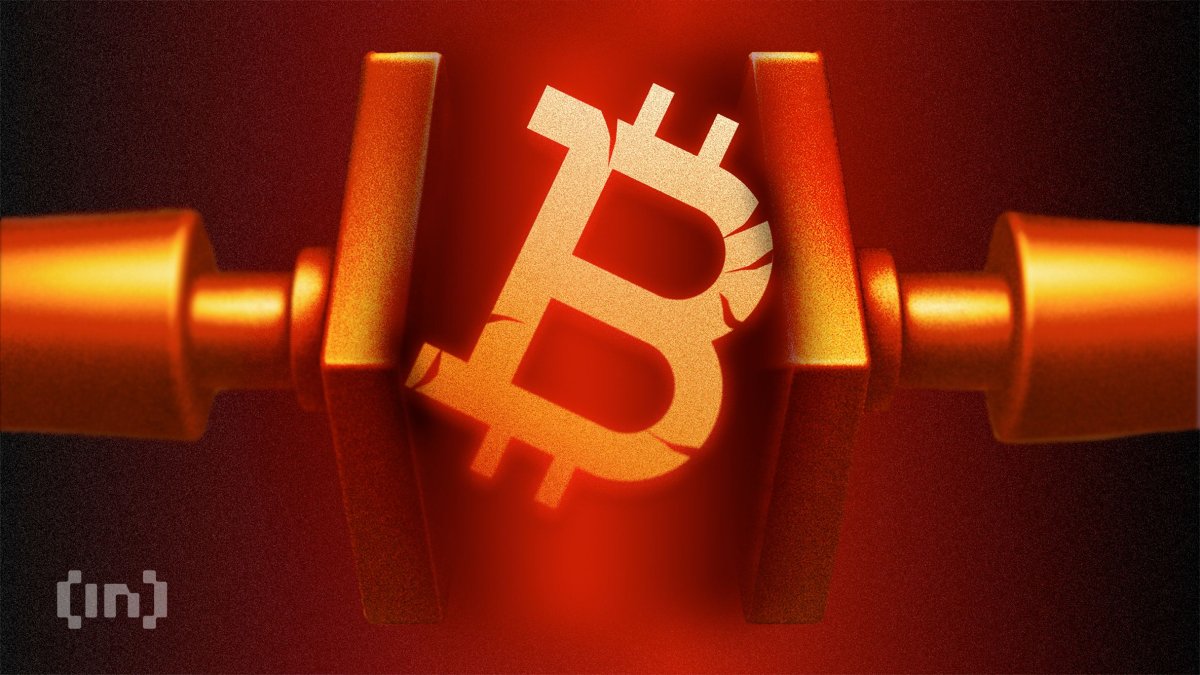
Three central banks are about to tighten at once for the first time since 2006. The last time that happened, the assets bought with borrowed money broke first.
The European Central Bank has already raised. The Federal Reserve decides Wednesday. The Bank of Japan decides Friday. The macro risk for Bitcoin (BTC) is what that combination did to risk assets last time.
The 2006 Template for Risk Assets
The ECB moved on September 10, taking its deposit rate to 2.50%. Futures now put the Fed near 90% odds of a hike.
“The conflict in the Middle East continues to generate inflation pressures, and inflation is set to remain well above target for an extended period,” ECB Governing Council said.
In 2006 the squeeze landed on May 10. Over the next month, losses stacked in a very tight order.
- The S&P 500 fell 7.7%
- Europe’s Euro Stoxx fell 13.3%
- Japan’s TOPIX fell 16.5%
- Emerging markets fell more than 20%
That order was not luck. Cheap money had been borrowed and pushed into whatever paid most. When borrowing got expensive, the furthest-flung bets were sold first.
Then markets recovered, and the S&P 500 still finished 2006 up 15.79%. The real crash came two years later, out of mortgage debt.
Where Bitcoin’s Macro Risk Actually Sits
Bitcoin did not exist in 2006, but it has since faced an almost similar test.
In August 2024 the Bank of Japan raised rates and the yen jumped. Japan’s TOPIX index shed 12% in a single day. Bitcoin fell as much as 20%.
On the 2006 ladder, Bitcoin is not the S&P 500. It is the emerging market, and the squeeze has already begun, seeing as Japanese stocks have fallen 8.4% in a month.
What Could Save It
Something changed this month. The yen climbed 3.7% in three sessions, but even though this happened, Bitcoin held above $79,000, effectively breaking the 2024 pattern.
It had also already fallen 33% over the past year, to trade for $77,871 as of this writing. It de-rated before the squeeze, not during it.
Then there is the buyer that did not exist in earlier cycles. US spot Bitcoin ETFs took in $3.52 billion in August. That more than reversed the $5.30 billion that left over the previous seven months.
That money is not borrowed in yen. A funding squeeze does not automatically force it out. Unless it stops buying the daily fund flows this week could cushion impacts from the rate decisions.
Source: BeInCrypto
Cryptocurrency News



Random quote about money
"За деньги нельзя купить одного - бедности. Тут нужно обратиться к помощи фондовой биржи."
Interesting posts in other sections of the blog










 ↑
↑
* to search the proxy database, just enter a country name, e.g. Russia, USA, Thailand