

Bitcoin Magazine
US Closes in on Iran’s Strait of Hormuz Bitcoin Insurance Policy, Sanctions Companies
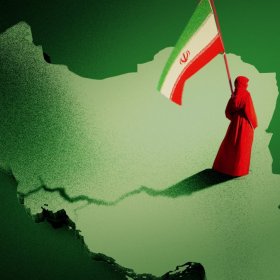
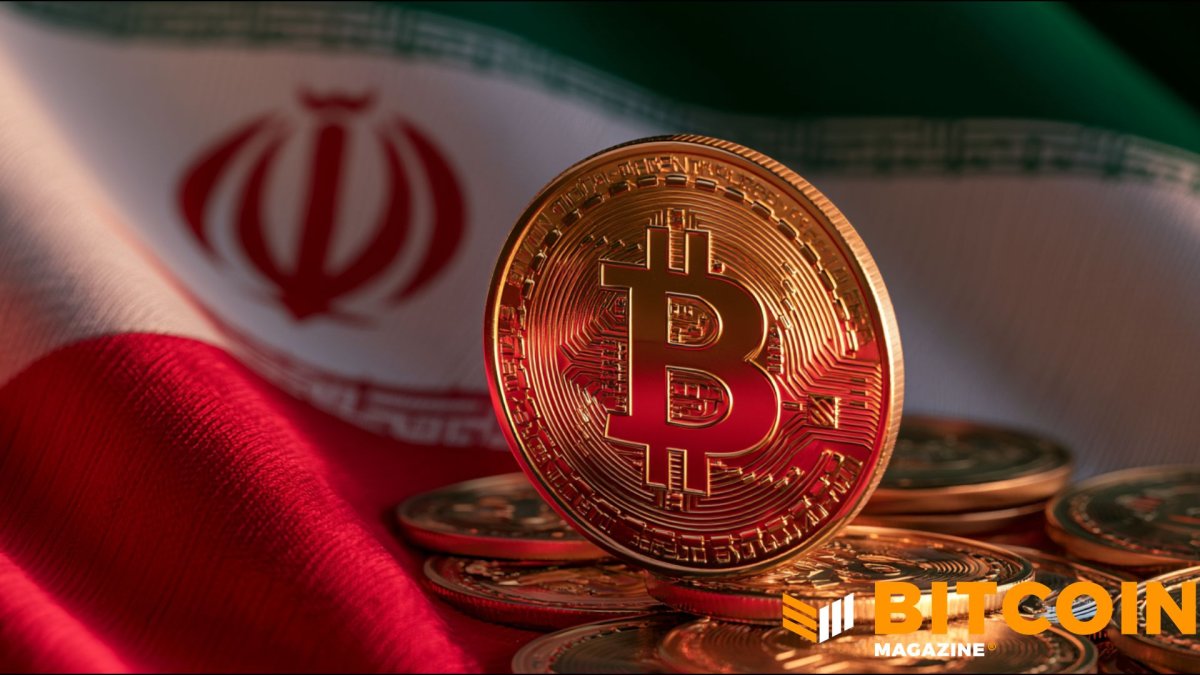
Iran has been dodging sanctions by accepting payment in Bitcoin from ships passing through the Strait of Hormuz, according to a Friday announcement from the U.S. Treasury’s Office of Foreign Assets Control (OFAC), the agency responsible for administering and enforcing American economic sanctions.
The OFAC sanctioned the companies tied to the Iranian regime accused of doing so. Ships have barely been passing through the strategic Strait of Hormuz, where a fifth of the world’s oil passes through, since the U.S. and Israel attacked Iran in February. The narrow waterway is one of the most important chokepoints in global energy trade, and any disruption there tends to ripple quickly through international oil markets.
In the statement, OFAC said that Hormuz Safe, developed by Iran’s Ministry of Economy, “accepts payment in Bitcoin and other digital assets” so it can bypass sanctions. By steering transactions onto public blockchains rather than the traditional banking system, the regime aims to keep receiving hard-currency value while avoiding intermediaries that could block the flow of funds.
“With its economy in freefall and inflation in the triple digits, the regime is desperate for cash,” Secretary of the Treasury Scott Bessent said in a statement.
“The United States will not allow Iran to hold global commerce hostage or use international shipping to finance the IRGC’s terrorism, aggression, and repression.”
The OFAC statement added that two firms — the Persian Gulf Marine Insurance Company (PGMIC) and HormuzSafe Marine Services Authority (“Hormuz Safe”) — are accused of running an IRGC-backed scheme forcing commercial vessels to buy mandatory “insurance” to transit the Strait of Hormuz. In practice, critics describe such arrangements as a toll dressed up as a coverage product, with crypto serving as the collection channel.
Bloomberg first reported in May that Iran had started a Bitcoin-backed insurance service for Iranian shipping companies.
The U.S. earlier this month announced that it had frozen crypto linked to the Iranian regime, mostly in the form of the Tether stablecoin. Stablecoins are digital tokens designed to hold a steady value, usually pegged to the U.S. dollar and backed by reserves held by a central issuer.
Stablecoins like Tether’s USDT can be frozen by the company that issues the asset, but Bitcoin, being decentralized and having no single issuer, cannot. That distinction is precisely why Tehran appears to be shifting toward Bitcoin: there is no company to receive a freeze order and no central party able to reverse or block transfers on the network.
Experts have warned that a recession could follow the conflict between the U.S. and Iran, driven by high oil prices if the Strait of Hormuz remains closed. For crypto markets, the episode is a reminder that Bitcoin’s core feature — censorship resistance — cuts both ways, appealing to sanctioned states even as regulators intensify their scrutiny of digital assets.
This post US Closes in on Iran’s Strait of Hormuz Bitcoin Insurance Policy, Sanctions Companies first appeared on Bitcoin Magazine and is written by Mathew Di Salvo.
Source: BitcoinMagazine