


Key points
- China bought 23 tonnes of gold in September
- This marks its largest monthly purchase in three years
- Other countries are also increasing gold reserves.
China's Central Bank Increases Gold Reserves Amid Global Accumulation
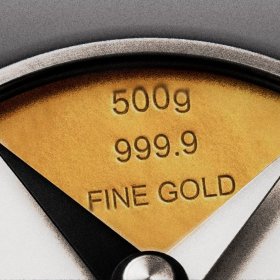
In September 2026, the People's Bank of China (PBOC) made headlines by purchasing 23 tonnes of gold, marking its largest monthly acquisition in nearly three years. This purchase is part of a sustained trend, as it represents the 23rd consecutive month of gold buying by the central bank. The PBOC's aggressive strategy has seen it accumulate over 100 tonnes of gold in 2026 alone, raising its total reserves to a record 2,410 tonnes. This places China as the fifth-largest holder of gold globally, trailing only the United States, Germany, Italy, and France.
The Kobeissi Letter, which reported on this significant purchase, noted that at the current pace, China is poised to surpass Italy and France in gold holdings within the year. Italy holds 2,452 tonnes, while France has 2,437 tonnes. Analysts suggest that China's increasing gold reserves could be a strategic move to bolster its financial stability and reduce reliance on the US dollar, especially in light of ongoing global economic uncertainties.
The price of gold has experienced volatility, peaking at $4,700 per ounce during a mid-August rally before dipping to $4,060 in early October. As of the latest reports, gold has recovered slightly to $4,194 per ounce. This fluctuation in price may have influenced China's decision to increase its gold purchases, as central banks often buy gold during price dips to enhance their reserves at a lower cost.
China's Record Gold Purchases
China is not alone in its gold accumulation efforts. Data from the World Gold Council (WGC) indicates that global central banks reported a total of 39 tonnes of net purchases in August 2026, following 23 tonnes in July. China's contribution was significant, with 20 tonnes purchased in August alone. Other countries, including Poland, Uzbekistan, and Kazakhstan, have also been active in the gold market, with Poland adding 8 tonnes and Uzbekistan purchasing the same amount in August.
Poland's central bank has now accumulated nearly 100 tonnes of gold in 2026, bringing its total reserves to approximately 648 tonnes. Kazakhstan's central bank added 7 tonnes in August, reflecting a broader trend among nations to increase their gold holdings. This collective action among central banks suggests a growing consensus on the importance of gold as a stable asset in uncertain economic times.
A recent survey conducted by the WGC revealed that 84% of central banks anticipate that gold will represent a larger share of their global reserves in the next five years. This sentiment underscores a shift in monetary policy, where central banks are increasingly viewing gold as a hedge against inflation and currency fluctuations. The trend indicates a potential long-term commitment to gold accumulation as a strategic reserve asset.
Global Central Bank Trends in Gold Accumulation
The implications of these trends are significant for the global economy. As central banks continue to stockpile gold, the demand for the precious metal is likely to increase, potentially driving prices higher in the long term. This could also lead to a shift in the dynamics of global finance, as countries seek to diversify their reserves away from traditional fiat currencies, particularly the US dollar.
China's aggressive gold buying strategy may also be interpreted as a response to geopolitical tensions and economic uncertainties. By increasing its gold reserves, China aims to enhance its financial security and assert its position in the global economic landscape. This move could be seen as part of a broader strategy to strengthen its currency and reduce vulnerability to external economic pressures.
The ongoing accumulation of gold by central banks, particularly in Asia, may also influence global gold mining and production strategies. As demand for gold rises, mining companies may ramp up exploration and production efforts to meet the needs of these central banks. This could lead to increased investment in mining operations and potentially impact the supply chain dynamics of the gold market.
Implications of Increased Gold Holdings
While the current trends indicate a strong commitment to gold accumulation, uncertainties remain regarding the future trajectory of gold prices and central bank policies. Factors such as inflation rates, interest rates, and geopolitical developments will play a crucial role in shaping the gold market. Additionally, the potential for economic recovery or downturns could influence central banks' strategies regarding gold purchases.
As central banks continue to navigate a complex economic landscape, their gold purchasing strategies will likely evolve. The interplay between gold prices, global economic conditions, and central bank policies will be critical in determining the future of gold as a reserve asset. Stakeholders in the gold market, including investors and mining companies, will need to stay attuned to these developments to make informed decisions.
In conclusion, China's recent gold purchases highlight a significant trend among central banks worldwide to increase their gold reserves. As countries like China, Poland, Uzbekistan, and Kazakhstan actively accumulate gold, the implications for the global economy and the gold market are profound. The ongoing dynamics of gold purchasing will continue to shape the financial landscape in the coming years.
Source: CryptoPotato