Crypto Exchange Withdrawal Verification Methods
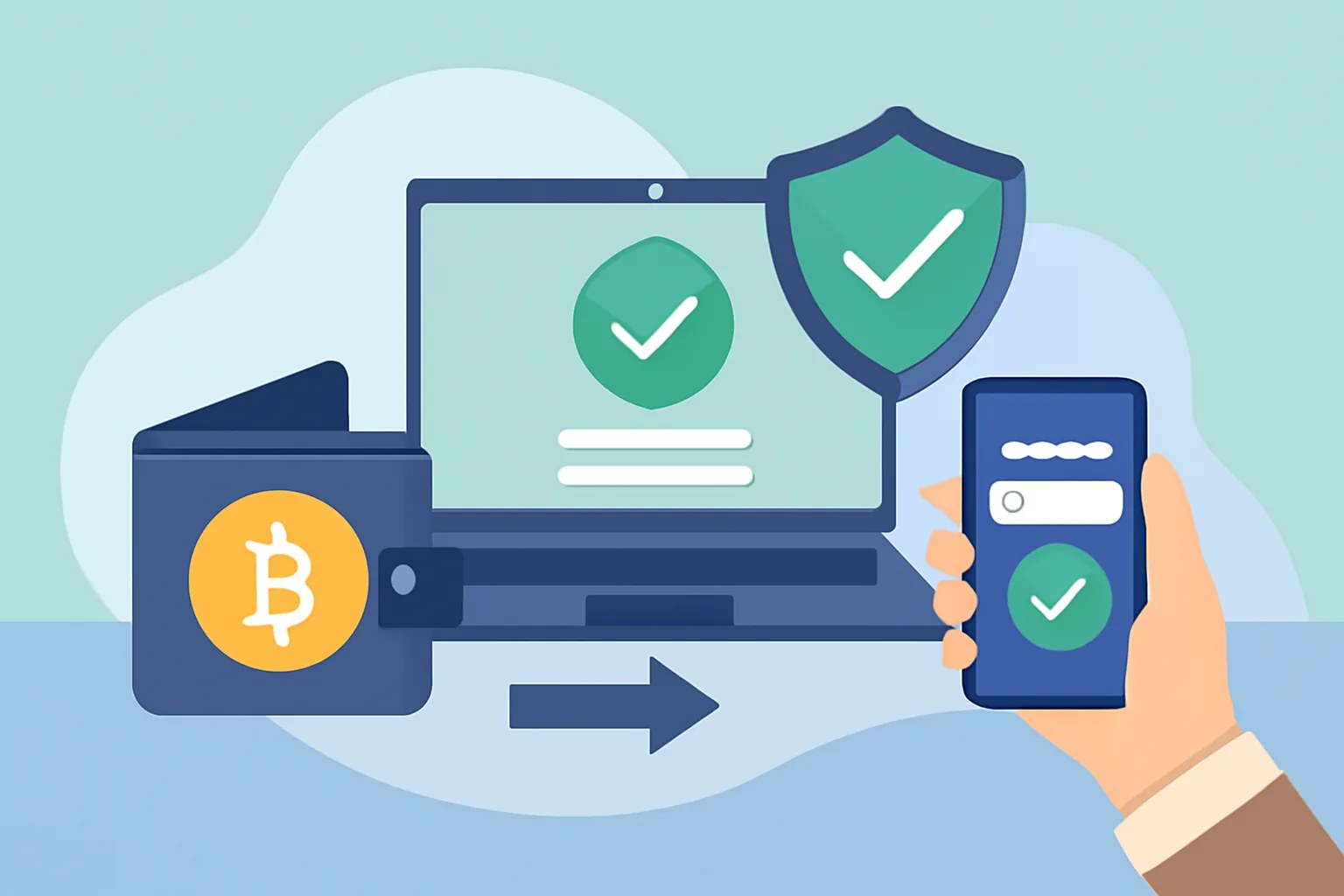
What Withdrawal Verification Means on a Crypto Exchange
When people talk about crypto exchange withdrawals, they usually focus on speed: how fast the coins leave the platform and arrive in the wallet. But there is another layer that matters just as much — verification. On a crypto exchange, withdrawal verification is the set of checks that confirms the request is legitimate before funds are sent out.
That sounds simple, but in practice it does several jobs at once. It helps protect the exchange from unauthorized transfers. It helps protect users from account takeovers. And it gives the platform a chance to catch obvious mistakes, such as a wrong destination address or a suspicious login from a new device.
Different exchanges use different combinations of checks. Some are lightweight and almost invisible. Others are strict enough to feel like a small investigation. Either way, the point is the same: outgoing funds should not move just because someone clicked a button.
If you are comparing platforms for frequent trading or planning to move assets regularly, it helps to understand these controls in advance. Withdrawal rules can shape your whole experience, especially with assets people commonly move between exchanges and wallets, such as Bitcoin or Ethereum.
Common Crypto Exchange Withdrawal Verification Methods
Most exchanges rely on a mix of automated and manual methods. A single withdrawal may trigger one check or several, depending on the amount, the asset, the account history, and the platform’s internal risk rules.
Email confirmation. The exchange sends a message with a confirmation link or code. This is still common, though not always the strongest protection on its own.
SMS verification. Some platforms send one-time codes by text. It is convenient, but security teams often prefer app-based authentication because phone numbers can be hijacked.
Authenticator app or 2FA codes. Time-based codes from an app such as Google Authenticator or Authy add a strong second layer before withdrawal approval.
Identity checks. If an account has not completed KYC, the exchange may block or limit withdrawals until the user submits documents and the platform approves them.
Withdrawal whitelists. Some exchanges allow withdrawals only to pre-approved wallet addresses. That reduces the damage if someone gains access to the account.
Manual review. In some cases, the compliance or security team reviews the request before release, especially if the amount is unusual or the account activity looks abnormal.
These measures are not random obstacles. They are responses to a very real problem: once a crypto transfer is sent, it can be difficult or impossible to reverse. Exchanges know that, and so do attackers.
For users who hold a variety of assets, withdrawal rules may differ by coin or network. A platform might allow a smooth transfer for Solana while applying different checks to other assets, especially when on-chain congestion or address formats create more room for error.
How Crypto Exchange Withdrawals Typically Work
Although interfaces vary, the basic withdrawal flow is usually similar. First, you choose the asset and the network. Then you enter the destination address, specify the amount, and review the fee. After that comes the verification stage, where the exchange checks whether the request can be approved.
Here is the standard sequence most users will recognize:
You open the withdrawal page from the wallet or balances area.
You select the coin and network.
You paste or choose the destination wallet address.
You enter the amount and review the fee and minimum withdrawal rules.
The exchange requests a verification step, such as email approval, 2FA, or a code from the mobile app.
The platform places the withdrawal in pending status while it runs internal checks.
If everything passes, the exchange broadcasts the transaction to the blockchain.
You can then track confirmations until the funds arrive in the destination wallet.
The most important thing to notice is that “pending” does not always mean “problem.” Often it simply means the request is moving through the exchange’s own approval process before it ever reaches the blockchain.
Some users first learn this the hard way, especially when they expect instant delivery. Exchanges may be fast, but they are rarely magical. If you are moving funds between trading venues and self-custody wallets, it is worth checking whether the asset you use most has special handling, as with some requests for XRP or similar fast-settlement networks.
How to Check Crypto Withdrawal Status
If a withdrawal is not arriving as quickly as expected, the first step is to check its status in the exchange dashboard. Most platforms show a clear label such as pending, processing, completed, or failed. Some also include a transaction ID, which is useful if you need to look the transfer up on a blockchain explorer.
Start with these places:
Withdrawal history. This is usually the most direct source. Look for the asset name, amount, time submitted, and current status.
Notifications and email alerts. The exchange may have asked for extra confirmation, flagged the withdrawal, or already sent a success message to your inbox.
Authenticator app or SMS messages. Sometimes the withdrawal stalls because the verification step was never completed or the code expired.
Blockchain explorer. If the exchange has already broadcast the transaction, the explorer can show whether the transfer is confirmed, pending, or stuck in the network queue.
Support ticket history. If you contacted support, check whether they asked for more information or placed the request under review.
It is worth distinguishing between an exchange-side delay and a blockchain-side delay. Those are not the same thing. A request can sit inside the exchange’s pending queue even when the network itself is healthy. Conversely, the exchange may have sent the transaction, but the chain can still be congested.
If you are unsure whether a transfer actually left the platform, the transaction hash is the key detail. Without it, you may be looking only at an internal record rather than an on-chain event.
Why Withdrawals Get Delayed or Held
Delays are frustrating, but they usually have a reason. Sometimes the reason is obvious, and sometimes it is buried in the exchange’s risk controls. Either way, common causes tend to fall into a few patterns.
Security flags. A withdrawal made from a new IP address, device, or geographic region may trigger extra checks.
Missing verification. The exchange may require a code, document, or KYC step that has not been completed yet.
Incorrect address details. If the address format, memo, tag, or network selection is wrong, the platform may stop the request before it goes out.
Network congestion. Some blockchains slow down during busy periods, and exchanges may throttle or batch withdrawals.
Account restrictions. Restrictions can come from compliance review, a frozen account, a password reset, or a recent security event.
Internal maintenance. Exchanges sometimes suspend withdrawals temporarily while they update wallets, rebalance systems, or respond to an incident.
Users often assume the worst when a withdrawal stalls, but the explanation is frequently mundane. A code was not entered. A memo field was left blank. The wrong network was chosen. Those are annoying mistakes, but they are usually fixable.
In other cases, the exchange’s own safeguards are doing exactly what they were designed to do. That may be inconvenient, but it is better than sending funds to the wrong place because nobody checked anything.
Best Practices to Avoid Withdrawal Problems
The easiest withdrawal problem to solve is the one that never happens. A few habits can prevent most of the common headaches.
Enable 2FA before you need it. Do not wait until the day of a large withdrawal. Set it up early and make sure the backup codes are stored safely.
Double-check addresses every time. Copy and paste carefully, then compare the first and last characters before submitting.
Confirm the right network. The same asset can sometimes move on different chains. Picking the wrong one can delay or destroy the transfer.
Complete KYC early. If the platform requires identity verification, finish it before you plan to withdraw.
Use withdrawal whitelists if available. Approved addresses add a useful layer of protection and reduce the risk of accidental transfers.
Check exchange notices. Maintenance windows, wallet upgrades, and region-specific restrictions are often announced in advance.
Test with a small transfer. For a new wallet or a large move, a small trial withdrawal can save a great deal of trouble later.
That last point deserves emphasis. People often skip the test transfer because it feels like an extra step. Then they spend far more time fixing a mistake than they would have spent waiting for a small amount to arrive. A boring habit, yes. A useful one, absolutely.
For users who frequently move tokens to self-custody, it also helps to understand the exchange pages for specific assets, such as Litecoin or Dogecoin, since fee structures and withdrawal limits can vary by coin and platform.
What to Do If a Withdrawal Stays Pending
When a withdrawal remains pending longer than expected, the key is to move methodically. Do not fire off three support tickets in a row before checking the basics. A calm checklist is usually faster.
Open the withdrawal record and confirm the current status.
Check your email, SMS, and authenticator app for any unfinished verification request.
Look for exchange announcements about maintenance or delayed processing.
Verify that the destination address, memo, and network were entered correctly.
If a transaction hash exists, inspect it on a blockchain explorer to see whether the transfer is already on-chain.
If the status has not changed and no extra action is requested, contact support with full details.
When you contact support, be specific. Include the asset, the time of the request, the withdrawal ID, the transaction hash if it exists, and a short description of what you have already checked. Support teams can work faster when they do not have to ask for basic facts one by one.
It is also useful to ask whether the withdrawal is blocked by an internal review, because that may affect how much information the support team can share. In some cases, they will only tell you that the request is under review and ask you to wait. Not elegant, but common.
Security Tips for Safer Withdrawals
Withdrawal security is not only about avoiding mistakes; it is also about reducing the chance of theft or account misuse. A few careful habits make a meaningful difference.
Use a strong, unique password for the exchange account.
Prefer an authenticator app over SMS where possible.
Keep your email account secure, since email access can unlock withdrawal approvals.
Avoid using public Wi‑Fi when making account changes or submitting withdrawals.
Verify that the exchange domain is correct before logging in or confirming a transfer.
Review active sessions and device lists regularly.
Store backup codes offline in a safe place.
If you manage funds across several exchanges, it can be helpful to keep a simple record of which platforms use whitelists, which require manual review, and which assets tend to move fastest. That way you are not figuring out the rules in the middle of a time-sensitive transfer.
In the end, withdrawal verification is less about inconvenience and more about control. Exchanges want assurance that the request is genuine, and users want confidence that funds are leaving the account for the right reason and going to the right place. When both sides do their part, withdrawals become routine instead of stressful.
That is the goal: fewer surprises, fewer mistakes, and a much better chance that the only thing you have to wait for is the blockchain itself.
HYIP Articles




Random quote about money
"Серебро дешевле золота, золото – нравственных достоинств."
Interesting posts in other sections of the blog











 ↑
↑
* to search the proxy database, just enter a country name, e.g. Russia, USA, Thailand