How to Buy Solana Safely
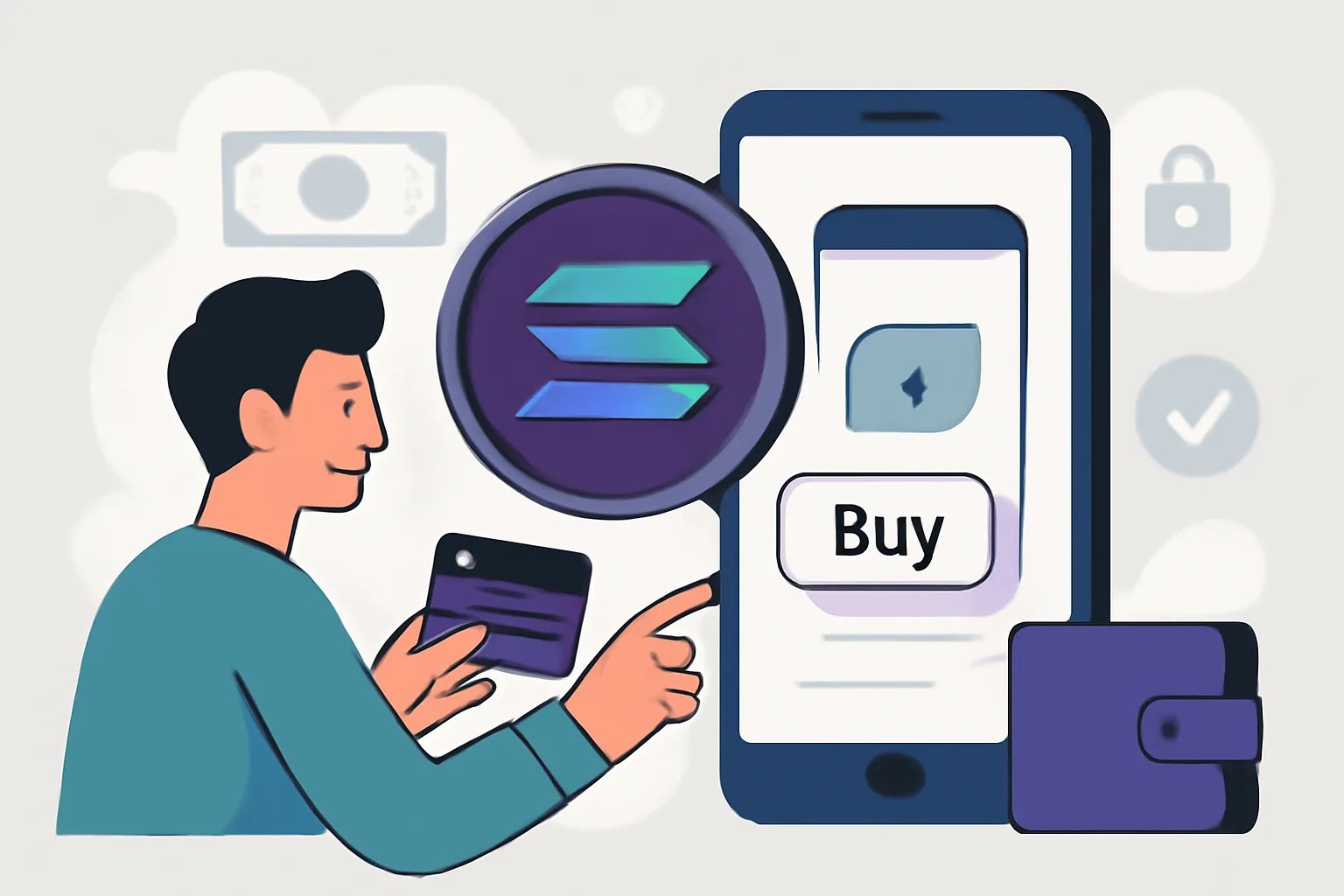
1. What Solana Is and Why Safety Matters
Solana, usually called SOL, is a blockchain network built for fast transactions and active trading. People buy it for several reasons: network use, speculation, or simply because they want exposure to a large crypto asset. None of that changes the basic rule. If you rush the purchase, you can lose money before you even own the coin.
Buying SOL is not hard. Buying it safely is the real task. That means checking the exchange, securing the account, and knowing where the coins will live after the trade. One wrong click can send funds to the wrong address, and that mistake is often permanent.
Crypto carries a few familiar risks. Price moves can be sharp, platforms can be hacked, and fake websites appear with alarming speed. Some traders even skip setup steps because they are eager to buy. That usually ends badly.
If you have already read about how to buy chainlink safely, much of the same discipline applies here. SOL is a different asset, but the habit is the same: verify the platform, confirm the payment route, and do not trust a random message that claims to be “support.”
2. Choose a Reputable Exchange or Broker
The first decision matters more than the trade itself. Pick a platform with a clear security record, visible company details, and support for your local payment method. Look for account protection, withdrawal controls, and a history of handling customer funds without obvious drama.
Fees also matter. Some platforms charge at deposit, some at trade, and some at withdrawal. A low trading fee can be offset by a costly card deposit or a steep spread. Read the fee page before you create the account, not after the first transfer.
Regulatory status deserves attention too. A platform that follows local rules may ask for more checks, but that can also reduce the chance of blocked withdrawals later. If you want a broader view of platform rules, see what changed in crypto exchange regulations. The details shift, and they shift often.
Payment methods should match your plan. Bank transfer, card, and sometimes third-party payment services are common choices. Avoid unfamiliar routes that ask you to send funds to a private wallet before the exchange shows a deposit page. That is a warning sign.
A good exchange should also explain its order types clearly. If the trade screen looks confusing, read crypto exchange order types explained before placing anything. A platform can be legitimate and still be a bad fit for a first-time buyer.
3. Set Up and Secure Your Account
Create the account with an email address you actually control. Use a strong, unique password. Not a recycled one. Not one from an old shopping site breach. One long password with a mix of characters is still better than something you can guess in 5 seconds.
Turn on two-factor authentication immediately. Use an authenticator app if the platform supports it. SMS codes are better than nothing, but they can be weaker if someone hijacks your phone number. This step takes 2 minutes and can save you from a stolen login.
Check the login alerts, withdrawal whitelist options, and device history. If the platform offers withdrawal approval delays, use them. Small friction is useful here. One extra screen is worth more than a rushed withdrawal to a stranger’s wallet.
Many people lose time because of verification friction, not because of the market itself. If you want to avoid common setup snags, read about crypto exchange account verification problems before you begin. Some delays are normal, but a missing document can freeze the account at the worst moment.
Do not keep screenshots of passwords or recovery codes in the same cloud folder as your email. That sounds obvious. It still happens.
4. Verify Identity and Complete Required Checks
Most exchanges require KYC, which means identity verification before you can deposit funds or buy SOL. Expect a request for your name, date of birth, address, and a photo ID. Some platforms ask for a selfie or a live check as well.
Prepare the documents before you start. A clean photo of the ID, a clear face image, and proof of address can reduce delays. Blurry photos cause rejections. So do expired documents. If the form asks for a residential address, do not guess at the format; match the document exactly.
Verification can feel annoying, but it also makes it harder for criminals to move through the system. That does not make every platform safe. It just gives you one more layer to test before money changes hands. The best outcome is simple: the account is ready before you need it.
If the exchange asks for extra checks after a deposit, stop and read the message carefully. Some checks are standard. Others are fake messages sent outside the platform. Open the site directly in your browser and confirm the request inside the account dashboard. Never use a link from a text message if you can avoid it.
There is a reason experienced users talk about best cryptocurrency investment strategies in the same breath as account setup. A purchase only starts with the trade. It also depends on how much friction you can handle before the trade.
5. Fund Your Account Safely
Funding is where a lot of beginners slip. Choose a method you understand, then compare how long it takes, what fees apply, and whether the platform adds any limits. Bank transfers are usually familiar. Card payments are faster. Both can be safe if the details are correct.
Double-check the deposit instructions on the exchange page before sending money. Some platforms give you a unique reference code. Others use a specific bank account name. If the instructions say one thing and your banking app shows another, stop. One mismatch can delay the deposit or send it to the wrong place.
Avoid moving money through unknown intermediaries. Do not agree to “faster funding” through a personal contact or a chat group. Do not send funds to any wallet address that arrived in an email from an unknown sender. That shortcut is usually expensive.
If you are funding from another crypto exchange, confirm the network first. Sending SOL or stablecoins on the wrong chain can make recovery difficult or impossible. The network name matters as much as the address. Take 30 seconds and check both.
For traders who use different payment routes across projects, comparing methods can help. A useful reference is crypto payments for investment blogs, which shows how payment choices shape speed, fees, and control. The same logic applies here, even if your goal is only one Solana purchase.
6. Place Your Solana Order
Once funds arrive, go to the SOL market page. You will usually see a buy box with market and limit order options. A market order buys immediately at the current price. A limit order waits until the price reaches your chosen level. That difference is simple, and it matters.
If speed is your priority, a market order may suit you. If you want control over price, a limit order gives you that control, though it may not fill right away. Many beginners prefer market orders because the process is shorter. Shorter is not always better.
Before you confirm, review three numbers: the amount of SOL, the price per unit, and the total cost including fees. Many platforms show all three on one screen. Read them slowly. A trade of 1 click can hide a bad spread or a fee you did not expect.
Here is a practical habit: if the screen changes after you enter the order, read it again. Some platforms refresh pricing every few seconds. That means the final quote may differ from the first one. A small difference is normal. A large one is reason enough to stop.
This is also the moment to think about order discipline. Traders who want more control over entry points often study differences between forex and crypto trading because the order behavior, market hours, and volatility patterns are not the same. Crypto trades around the clock, and that changes your pace.
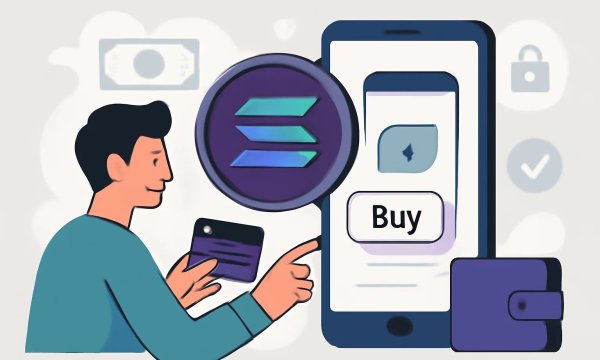
If you are still asking yourself how to buy Solana safely, the answer here is plain: confirm the platform, confirm the amount, and confirm the network before you press buy. Three checks. Every time.
7. Store Solana Securely After Purchase
Leaving SOL on an exchange is convenient. It is not ideal for larger balances. A personal wallet gives you more control over the private keys, which means fewer moving parts if the exchange has trouble. Hot wallets are connected to the internet. Hardware wallets keep keys offline. Each has a use case.
If you only plan to hold a small amount for a short period, an exchange wallet may be acceptable. If the amount matters to you, move the SOL to a wallet you control. That transfer should use the correct Solana address format, and you should test with a small amount first if the wallet is new.
Back up the recovery phrase on paper or another offline method you trust. Do not store it in a notes app tied to email, and do not send it to yourself by message. If someone gets the recovery phrase, they can take the wallet. That is the end of the story.
Hardware wallets add another step, but they also reduce the chance that a computer infection drains the funds. For a 3-digit or 4-digit balance, some people are comfortable with a hot wallet. For larger holdings, the balance of convenience and safety usually shifts toward hardware.
If you compare storage methods with other assets, the logic resembles what people discuss in how to buy avalanche safely. The asset changes. The storage discipline does not.
8. Common Mistakes to Avoid
The biggest mistake is sending SOL to the wrong network. Solana is its own chain, and transfers must match the required address and network settings. A transfer on the wrong chain can be difficult to recover. Sometimes it cannot be recovered at all.
Another common error is ignoring security alerts. If your exchange sends a login notice you do not recognize, check it immediately. If a withdrawal email appears and you did not request it, freeze the account, change the password, and contact support through the official site. Do not reply to the email itself.
Phishing remains one of the oldest tricks in crypto. Fake support accounts, copied websites, and links inside direct messages all aim at the same result: your credentials. A real exchange will not ask for your recovery phrase. Ever. If someone does, stop there.
People also make mistakes with timing. They deposit money, then buy without checking market movement or fees. A simple pause can help. Read the confirmation screen, then read it again. If the fee looks too high or the price changed too much, wait.
There is one more issue that catches beginners: device safety. Public Wi-Fi, shared computers, and browser extensions can expose your account if you are careless. One laptop session in a cafe is enough to create a problem. Use your own device, sign out when finished, and keep your software updated.
A final habit helps more than people expect. Keep a written record of the exchange name, the date, the amount purchased, and where the SOL was sent. Four items. If something goes wrong later, that record is often the difference between a fast support case and a long argument.
HYIP Articles


Random quote about money
"В плохие старые времена было три легких способа разориться: самым быстрым из них были скачки, самым приятным - женщины, а самым надежным - сельское хозяйство."
Interesting posts in other sections of the blog








 ↑
↑
* to search the proxy database, just enter a country name, e.g. Russia, USA, Thailand