What Changed in Crypto Exchange Travel Rule Compliance in 2026
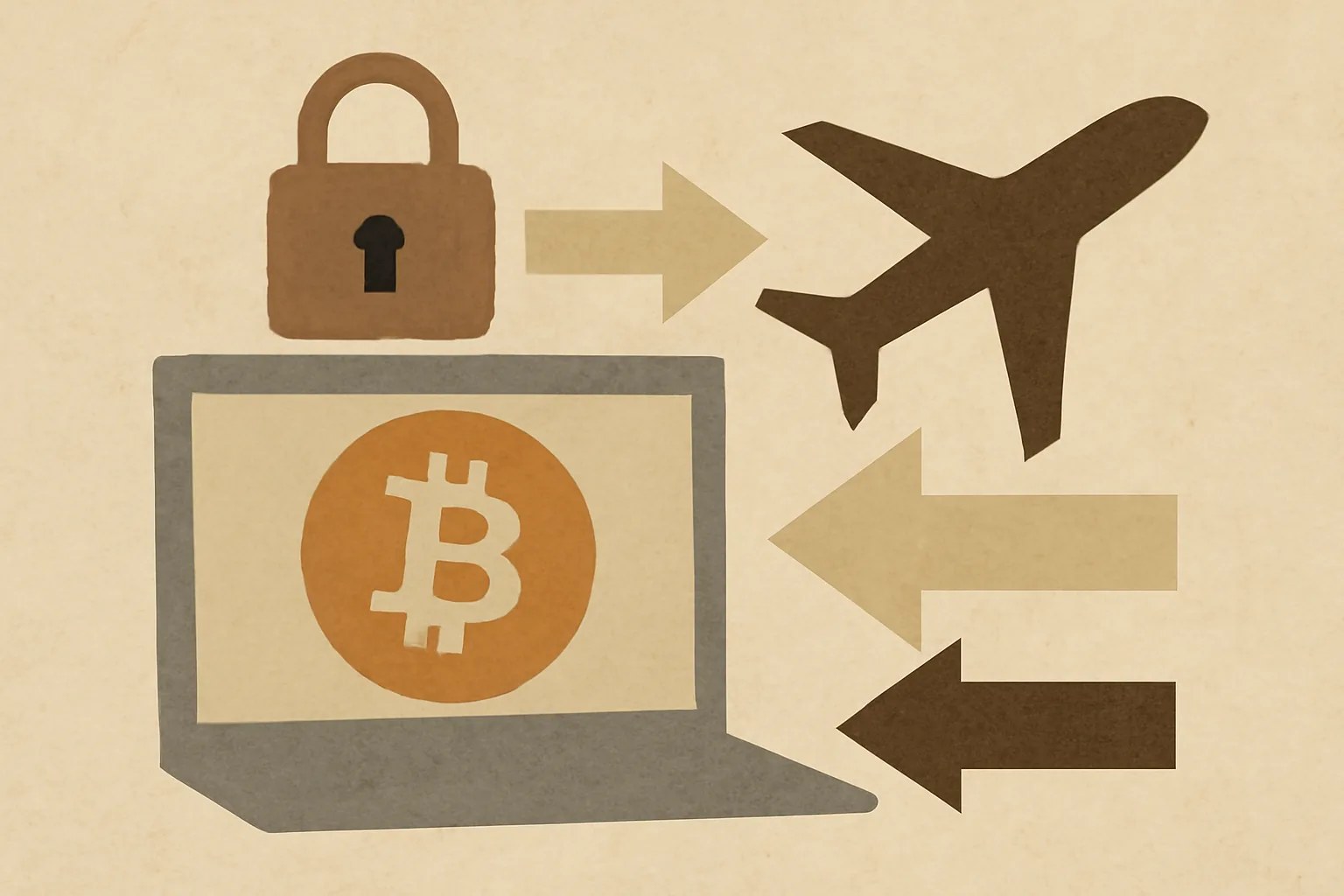
Travel rule compliance, in plain English
The travel rule is not a trading feature. It is a compliance rule that asks a crypto exchange to attach basic sender and receiver details to certain transfers, so another exchange or regulated firm can identify who moved the funds and where they were meant to go. That sounds dry, but the point is simple: the movement of value should not be anonymous once it passes through covered firms.
In practice, “compliance” means the exchange follows rules for collecting, checking, storing, and sometimes transmitting data tied to a transfer. The exact checklist varies by jurisdiction, and 2026 matters because several exchanges tightened their internal steps even where the legal wording did not change much. One exchange may ask for the beneficiary name before a withdrawal. Another may only ask after a threshold is crossed. A third may block the transfer until a verification step is done.
If you only need the core idea, this is enough: the travel rule is about information sharing around transfers, not about trading itself. Simple. For a deeper read on exchange-side record keeping, see crypto exchange KYC and AML compliance.
A useful question for readers in 2026 is not “does the rule exist?” but “what changed in crypto exchange travel rule compliance in 2026?” The answer is usually found in the exchange’s own notices, because the same transfer can trigger different checks on two platforms. One platform may trust a wallet attestation. Another may require a counterparty name match. A third may ask for a declaration before the withdrawal button even works.
What specifically changed in 2026
The largest shift in 2026 was not a single global rewrite. It was the way exchanges operationalized existing travel rule duties. Many platforms expanded the number of transfers that receive screening, added extra identity fields, and introduced stronger checks before the transfer is broadcast. That means a user who once saw only a warning may now see a multi-step form.
Some exchanges began collecting both originator and beneficiary data earlier in the flow. Earlier meant before approval, not after. That changed the user experience because the exchange no longer waited for the blockchain transaction to be ready; it asked first, then decided whether the transfer could proceed. On smaller transfers, some firms still apply a threshold-based exception, but the threshold can differ by country, license type, and counterparty risk.
Another common change in 2026 was broader verification of wallet ownership and counterparty identity. An exchange may now compare the name on your account with the receiving entity, request a wallet label, or run the destination through sanctions and risk screening before release. Those steps are not all mandatory everywhere, which is why policy pages still carry plenty of cautionary language.
A shorter version: more checks, earlier checks, and more record keeping. That is the pattern. For readers tracking exchange notices about rule updates, the page on what changed recently in crypto exchange can help distinguish a compliance change from a product change.
When the travel rule applies during a transfer
The travel rule usually becomes relevant when a transfer involves a regulated exchange, a broker, a custodian, or another covered virtual asset service provider. A simple exchange-to-exchange transfer is the clearest example. If you send coins from one platform to another platform with a verified business relationship, the exchange may transmit sender data along with the transfer request or the receipt message.
Withdrawals to self-hosted wallets are the harder case. A self-hosted wallet is one you control, such as a hardware wallet or a software wallet with your own keys. Some exchanges still require extra checks for these withdrawals, especially above an internal threshold. Others only ask for a declaration that you control the wallet. A few request a proof-of-ownership step, such as a signed message. That is common enough in 2026 to be familiar, but the exact requirement is not universal.
Deposit handling can also trigger travel rule logic. If a transfer arrives from another exchange, the receiving platform may pause the credit until the originator data is matched. If the transfer comes from a wallet the exchange cannot classify, the funds may sit in review. That can take minutes, or it can take days. No one likes that part.
Thresholds matter. A platform may use one limit for one country and another limit for another license. It may treat a 500-unit transfer differently from a 5,000-unit transfer, even if the asset is the same. For readers who want to compare this with execution-side controls, best crypto exchange for stop loss covers a different type of exchange rule, but the policy pages often sit near each other.
What information exchanges now ask for
Most exchange notices in 2026 ask for a few concrete data fields. The first is identity information: your legal name, account email, and sometimes your date of birth. The second is beneficiary information: the recipient name, the receiving exchange name, and the destination account number or wallet identifier. The third is transfer context: asset type, amount, and destination country if the platform asks for it.
Some exchanges also ask you to confirm wallet ownership. That can mean ticking a box, connecting a verified address book entry, or signing a message from the destination wallet. A signed message is more technical than a checkbox, but it gives the platform a clearer link between the address and the person initiating the transfer. One platform may accept a label alone; another may want a signature. Two forms, two outcomes.
Beneficiary checks can go beyond names. A platform may ask whether the recipient is an exchange, a company, or a personal wallet. It may ask if the transfer is for your own account. It may ask whether the counterparty is new. These are not decorative questions. They are used for screening, record keeping, and, in some cases, a decision to hold the transfer for manual review.
For users who want to understand why a form asks for so much at once, the answer is usually data matching. A cleaner match means fewer false alerts. For more context on how exchanges already sort and score activity, see what crypto exchange metrics should i.
How exchanges handle “unhosted” or external wallets
An unhosted wallet is a wallet that is not controlled by another regulated exchange. Many exchanges call this an external wallet instead. The 2026 difference is that transfers to these wallets now more often receive extra screening before release. That can include a risk score, an ownership attestation, or a request for the user to explain the purpose of the transfer.
Why the extra step? Because the receiving side cannot provide the same business-to-business data exchange that a licensed platform can. The sending exchange may therefore decide it needs more evidence from the user. One common method is a proof-of-control test. Another is a self-declaration that the wallet belongs to the user. A third is transaction monitoring after the transfer is made.
Some exchanges treat external-wallet withdrawals with a tiered process. Small amounts may pass after a short declaration. Larger amounts may require manual review. A few firms apply a hard stop if the wallet is linked to higher-risk activity, even if the user has been active for years. That can feel blunt, yet it is exactly how many 2026 policies read.
These rules are not the same everywhere, and some wallets get flagged because of prior interactions, not because they are unhosted. A wallet can be clean and still be delayed if the screening engine does not like the surrounding data. That is why users sometimes see a “review pending” note with no obvious explanation. The transfer is not always the issue; the destination profile is.
Related compliance terms you’ll see in policies
VASP means virtual asset service provider. In practice, that is the regulated firm on the other side of the transfer. Originator means the person or account sending the assets. Beneficiary means the person or account receiving them. Those three words show up everywhere, and they usually define who must be identified during a covered transfer.
Self-hosted wallet means a wallet controlled directly by the user, not by the exchange. Counterparty screening means checking the other side of the transfer against internal risk rules, sanctions lists, and sometimes other datasets. Sanctions checks are exactly what they sound like: a comparison against restricted persons, restricted entities, or restricted jurisdictions. Short labels, long consequences.
Two more terms deserve a place here. Travel rule message or transfer message refers to the data packet or transmission that carries the required information. Record retention means the exchange keeps the data for a defined period, often set by local law or policy. Those retention periods can differ by jurisdiction, and a user may never see them until support asks for a historical transfer record.
If a policy mentions screening, it may not mean only the wallet address. It can include names, device patterns, and behavior histories. For a practical perspective on policy language, the guide on crypto exchange withdrawal stuck on pending is useful because pending status is often where these terms appear in real life.
Examples of common user scenarios in 2026
Case 1: moving funds from Exchange A to Exchange B. Exchange A asks for the destination exchange name, the beneficiary account identifier, and a confirmation that the transfer is going to a regulated platform. Exchange B then checks whether the incoming record matches the account owner. If the names line up, the credit may land quickly. If not, the deposit can sit in review.
Case 2: withdrawing to a personal hardware wallet. The exchange may ask you to confirm the wallet address, sign a message, or complete an attestation that you control the wallet. If the amount is above an internal limit, a second review may appear. That is where a transfer that looked instant becomes a 30-minute wait, or longer. Not ideal. Still common.
Case 3: receiving assets from a new counterparty. The exchange may not know the source wallet or the sending firm. It may ask for the sender’s name, the purpose of the transfer, or supporting documentation if the transfer appears unusual. A one-time transfer from a business partner can therefore trigger the same type of questions as a high-risk incoming payment.
Readers who already monitor account events may find that the same dashboard shows both trade activity and compliance tasks. If that sounds familiar, admister home is relevant because many users first notice travel rule prompts in routine account checks, not in policy emails.
What users should check in an exchange’s notice
Start with the threshold. If the notice gives a number, keep it. If it does not, ask support for the exact limit that triggers collection or transmission of travel rule data. A notice that says “some transfers may be reviewed” is too vague to act on. You want the number, the asset, and the direction of transfer.
Next, check which destinations are covered. The exchange may only support transfers to certain countries, certain partner exchanges, or certain wallet types. If a policy page does not say whether self-hosted wallets are included, the user is left guessing. Guessing is expensive here. One blocked withdrawal can stall an entire rebalance.
Look for the list of required fields. If the notice says name, account ID, and beneficiary exchange are required, confirm whether the account ID is the exchange’s internal tag, the blockchain address, or both. That distinction matters. A wrong format can cause a failed withdrawal even when the wallet address itself is correct.
Then check the consequences. Does the exchange say a missing field creates a delay, a manual review, or a permanent block? Does it say data may be shared with another VASP? Does it mention sanctions screening or enhanced due diligence? Those phrases tell you whether the platform is doing a light check or a hard gate. For a quick read on fee and spread language that often sits beside compliance notices, see how much do crypto exchange spreads.
Last, check where the user can confirm details. A good notice gives a support channel, a policy page, or a help article that matches the same process. If the notice and the help center disagree on the 2026 steps, the user should trust the newer one and save a screenshot. That screenshot can matter later when a transfer is paused for a second review.
HYIP Articles



Random quote about money
"На деньги надо смотреть свысока, но все-таки при этом не следует терять их из виду."
Interesting posts in other sections of the blog












 ↑
↑
* to search the proxy database, just enter a country name, e.g. Russia, USA, Thailand