What the Cryptocurrency Fear and Greed Index Is
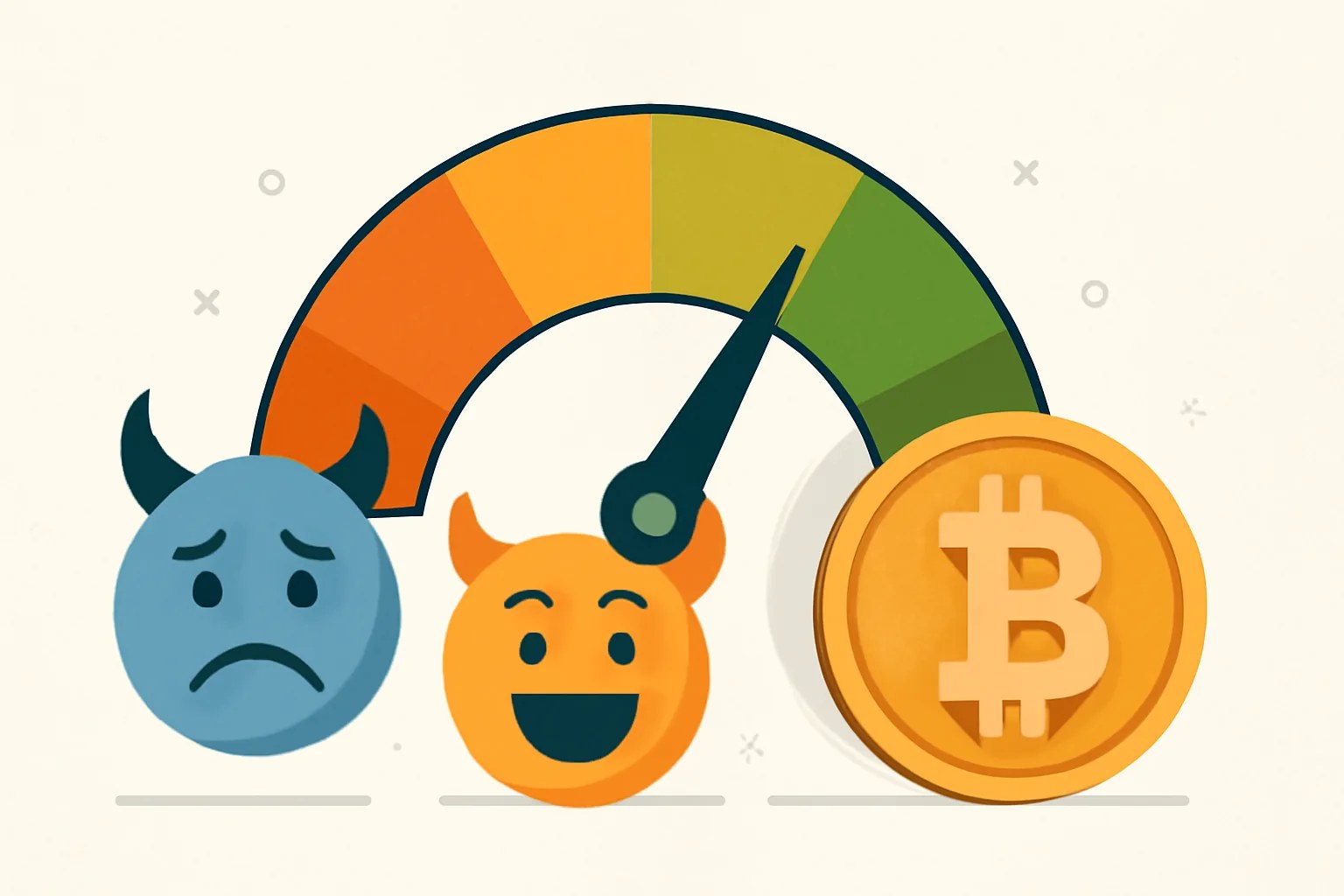
What the Cryptocurrency Fear and Greed Index Is
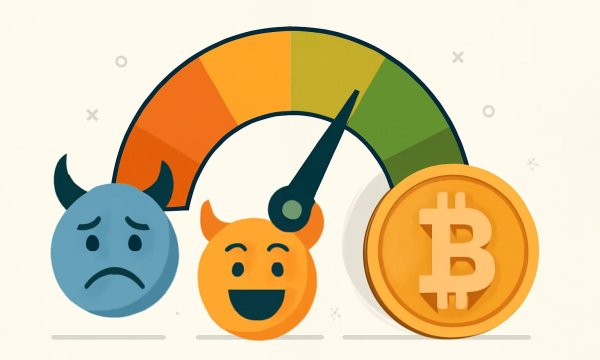
The cryptocurrency fear and greed index is a sentiment gauge, not a price model. It tries to show whether traders are acting scared, greedy, or somewhere in between, and that matters because crypto often moves faster than people’s patience.
Some traders check it daily. Others glance at it only after a sharp move, which is usually when emotions are loudest and judgment gets a little sloppy. The index is useful for that reason alone: it gives a quick read on mood.
Its appeal is simple. If a market is full of fear, some people see opportunity. If greed is everywhere, others start looking for exits.
That sounds neat, but real markets are messy. One reading never tells the whole story, and a number on a screen can look smarter than it is.
How the Index Is Calculated
Most versions of the index combine several inputs, and each provider may weigh them differently. The common ingredients usually include volatility, market momentum, social media activity, surveys, dominance, and search trends.
Volatility often matters because big swings can signal panic or excitement. Market momentum helps show whether prices are rising fast or dropping fast, which can push traders toward one side of the emotional line.
Social media activity adds another layer. Crypto runs on opinion, and a thousand posts can move faster than a chart.
Search trends are also watched. If more people are suddenly typing a coin name into a search bar, that can hint at growing interest, fresh fear, or simple curiosity after a headline.
Dominance is another useful clue. When Bitcoin takes a larger share of the market, some traders read that as a defensive move, though the signal can mean different things depending on the week.
Surveys, where they are used, can show what participants say they feel. What people say and what they do are not always the same. That gap is the whole story, sometimes.
If you want a related practical angle, see what crypto exchange trading volume means. Volume often gives the index some context, especially during sharp breakouts or sudden reversals.
What the Readings Mean
Low readings usually point to fear. In plain terms, traders are cautious, defensive, or ready to sell first and think later.
High readings usually point to greed. That can mean traders are chasing gains, ignoring risk, or assuming the rally will keep going because it has already gone on for 3 days, 3 weeks, or longer.
Neutral readings are less dramatic. They suggest the market is not leaning hard in either direction, though crypto can change its mind before the candle closes.
Fear is often seen as a possible contrarian signal. Greed is often treated the same way, just from the other side. That does not mean “buy fear, sell greed” works every time, because a market can stay fearful for 2 months and still go lower.
There is a hard lesson here. A low reading does not guarantee a bottom. A high reading does not guarantee a top.
Some traders watch the index as a temperature check. Others use it as a warning label. Both views can be right on different days.
Why Market Sentiment Matters in Crypto
Crypto is emotional. A tweet, a listing, or a sudden liquidation can change risk appetite in minutes, and that is why sentiment gets attention even from people who claim they ignore it.
Fear can trigger fast selling. Greed can trigger late buying. Those two forces often create the kind of sharp candles that make people refresh charts every 5 minutes.
Investor behavior matters because crypto is still young compared with older asset classes. Many participants react to headlines first and facts second, which can push prices away from what a patient analyst might call fair value.
The market also has a reflexive side. Rising prices can create confidence, and confidence can bring in more buyers, which can push prices higher still. Then the reverse happens. Quickly.
That cycle is why sentiment matters. It does not replace fundamentals, but it helps explain why markets can overshoot, stall, and panic in ways that look irrational from the outside.
For traders who use exchange data as part of that picture, how to use a crypto exchange can be a useful companion article, especially if charting and alerts are part of the routine.
How Traders and Investors Use the Index
Some traders use the cryptocurrency fear and greed index as a timing filter. A low reading may encourage them to look for entries, but only after price action confirms the move with a clear level or a clean reclaim.
Others use it for exits. If the index climbs into greed and a position has already produced a strong gain, that can be a moment to trim size rather than dream about a perfect top.
Portfolio checks are another common use. A person who feels overexposed to one coin might look at a fear reading and decide to reduce risk by 10% or rebalance, not because the index orders them to, but because it reminds them to ask a better question.
Short-term traders often want the index to confirm a setup. If price is breaking resistance and the market mood is shifting from fear to neutrality, that combination may support the trade. If the index is screaming greed while price is stretched far above support, the trade may deserve more caution.
Long-term investors use it differently. They may ignore day-to-day swings, but still glance at the index before adding to a position, especially after a major drawdown or a news-driven spike.
That approach works best when the index is one input among several. A single sentiment reading is a weak compass on a windy day.
If you are also handling transfers between venues, how to move crypto from coinbase can help keep execution clean while you decide whether the sentiment is worth acting on.
Limitations of the Fear and Greed Index
The biggest weakness is obvious: the index can lag. By the time sentiment is measured, the market may already have moved, and the signal can arrive after the easy part of the trade is gone.
Noise is another problem. Social posts can spike for reasons that have nothing to do with real demand, and search trends can jump because of a celebrity mention, a hack, or a rumor that disappears in 24 hours.
Different providers may build the index differently. One model may care more about momentum, another more about social data, and that means two “fear” readings can tell slightly different stories on the same day.
The index also cannot read context. A fear reading during a broad market crash is not the same as a fear reading after a healthy pullback. Numbers need a frame.
Another limit is crowd behavior. If too many traders expect fear to be bullish, the trade can get crowded. Then the index becomes part of the story instead of a clean signal.
That is why the cryptocurrency fear and greed index should never sit alone on the desk like an oracle. It is a tool, not a verdict.
How It Compares to Other Market Indicators
Technical analysis looks at price, volume, and pattern behavior. It asks what the market is doing right now, which is useful when sentiment is emotional but the chart is still obeying a trend line.
On-chain data looks deeper. Wallet activity, exchange inflows, and long-term holder behavior can reveal whether coins are moving toward selling pressure or storage. That can matter more than a fear reading on days when the market is quiet but the blockchain is busy.
Macro indicators bring another layer. Interest rates, liquidity conditions, and dollar strength can all shape crypto risk appetite, and those forces sometimes overpower a sentiment signal in a single afternoon.
Each indicator answers a different question. The fear and greed index asks how people feel. Technical analysis asks what price is doing. On-chain data asks what coins are doing. Macro data asks what money is doing.
Put together, they create a fuller view. Separated, they can mislead.
If you care about custody and market trust as part of that bigger picture, crypto exchange proof of reserves explained is worth a look, because sentiment can change faster than confidence in a venue.
Best Practices for Using the Index Responsibly
Start with one rule: never trade only on sentiment. A low or high reading can spark ideas, but the final decision should still be based on a chart level, a thesis, and a stop that makes sense.
Risk management comes first. If a position would hurt badly at 5% or 8% against you, the index does not change that math. It only tells you what the crowd may be feeling while your trade is live.
Use the index as a checklist item. Ask whether the market is fearful for a reason, whether greed is becoming crowded, and whether the move already happened before you noticed it.
Research still matters. Read the news, check liquidity, and confirm whether the move is about one asset or the whole market. A single headline can distort sentiment for a day, but a real trend usually leaves more than one footprint.
Long-term investors can treat the index as a behavioral mirror. If greed makes you want to double down after a 20% run, the mirror is doing its job. If fear makes you sell after a routine pullback, it is doing that job too.
For practical discipline, some traders keep a simple routine: check the index, check the chart, check the event calendar, then decide. Three checks are better than one.
And if you need another angle on the market environment, how to choose a cryptocurrency exchange can help you think about fees, access, and execution quality before sentiment tempts you into a rushed move.
One last habit helps more than people expect: write down why you acted. A note with 2 reasons beats a vague feeling, and it makes the next fear or greed reading easier to judge without fooling yourself.
HYIP Articles


Random quote about money
"Жизнь — игра, а деньги — способ вести счет."
Interesting posts in other sections of the blog









 ↑
↑
* to search the proxy database, just enter a country name, e.g. Russia, USA, Thailand