How to Migrate from Kraken to Another Crypto Exchange
How to Migrate from Kraken to Another Crypto Exchange
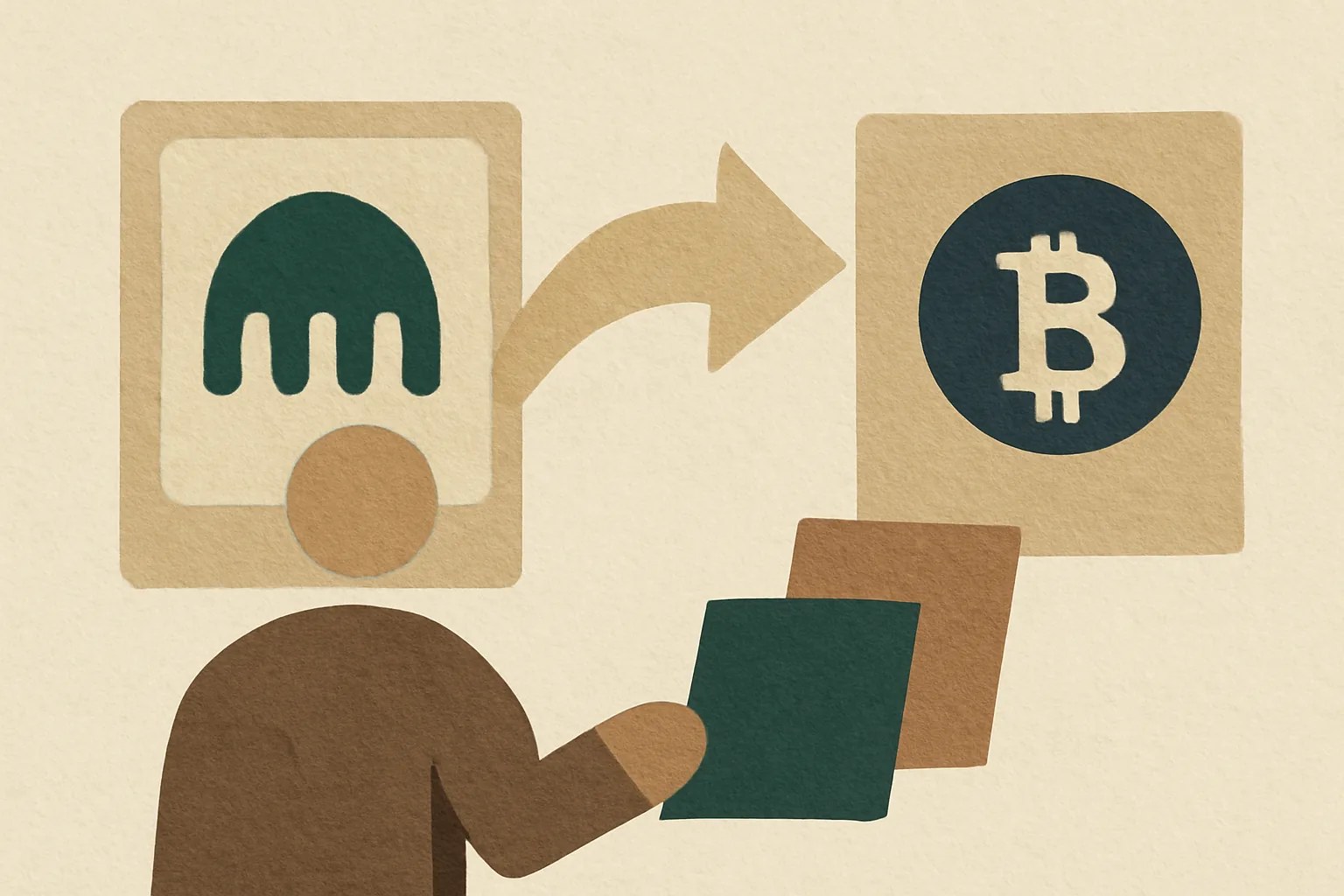
People do not leave Kraken for one reason. Some want lower trading fees, some need a platform that supports their country, and some simply need a feature Kraken does not offer in the way they want. That choice shapes everything else, because how to migrate from Kraken to another crypto exchange depends on whether you are moving an active trading setup, a long-term wallet balance, or an account you barely use anymore.
Kraken users often have a cleaner starting point than they think, but the move still needs a plan. A rushed withdrawal can miss a memo, a staking position, or a tax record. Those are not dramatic mistakes. They are just annoying ones.
1. Confirm what kind of Kraken move you’re actually making
Start with the narrow question: are you leaving Kraken because of fees, access, or features? A trader who only wants cheaper spot trades has a different move from someone who cannot keep the account open in a specific region. The first person may only move assets. The second may need to close the loop more carefully, because account access and timing matter.
There is also a third case. Kraken may be fine for custody, but the destination exchange may offer better tools for the assets you actually trade. That includes more active margin products, better fiat rails, or a specific listing that matters to your strategy. If you cannot name the reason in one sentence, pause. A move without a reason tends to create extra work.
One practical checkpoint helps here: decide whether you are replacing Kraken or just reducing your use of it. Those are not the same job. The difference affects statements, open orders, and whether you keep the account alive after the transfer.
2. Check the destination exchange’s Kraken-specific compatibility gaps
Kraken users usually assume another exchange will “just work” once the deposit lands. That is where problems begin. Check the destination exchange for supported fiat rails, because a bank transfer path that works on Kraken may not exist elsewhere. If you rely on EUR deposits, GBP withdrawals, or a local payment route, test that first.
Asset support matters too. A coin available on Kraken may not have the same deposit network on the new exchange, and a transfer can stall if you pick the wrong chain. If you want a deeper primer on market mechanics before the move, see how to read a crypto exchange. It helps with more than price screens.
Staking and earn products deserve a separate check. Kraken users sometimes hold assets in a service that looks simple from the outside, but the destination exchange may not support the same product, or may support it under different rules. A coin can be transferable while the income feature attached to it stays behind.
Withdrawals are the last compatibility gap. Some exchanges accept direct on-chain deposits only, while others support internal transfers, fiat off-ramp routes, or tagged assets with memo fields. Miss that detail and the transfer can be delayed. Worse, a bad network choice can make a recovery ticket your next hobby.
3. Review your Kraken account for items that can’t simply be carried over
Kraken history does not migrate with the balance. Your historical orders, statements, confirmations, and API keys remain tied to Kraken unless you save them first. That sounds obvious. People still forget it.
Before you withdraw anything, export what you need for records. If you file taxes, track performance, or reconcile trades with accounting software, save the files now. Once balances leave, old data becomes harder to correlate, especially if you used several assets and several trade routes over time.
Active services also need a clean stop. Recurring buys, staking positions, alerts, and API connections can keep firing after you think the move is over. Two minutes in the account settings can save two weeks of cleanup later. That is not an exaggeration.
If you keep an API key for bots or portfolio tools, revoke it only after you know the bot no longer needs Kraken access. The same applies to connected devices and saved sessions. A move is not finished because the wallet is empty. It is finished when nothing still depends on the account.
4. Prepare your destination account before any withdrawal leaves Kraken
Open the new exchange account first, not after the transfer. Complete identity verification early, because many platforms restrict deposits or withdrawals until verification clears. If the destination exchange offers withdrawal address whitelisting, turn it on before you send anything. That extra step is boring, which is exactly why it works.
Set up 2FA before the first transfer. Use an authenticator app if the platform supports it, and store recovery codes where you can actually find them. A Kraken user moving a large balance does not want to solve a login problem at the same time as a deposit problem.
Then check the deposit methods. If you need fiat rails, confirm that the bank details, card route, or local transfer method is ready. If you are moving crypto only, generate the deposit address on the correct network. A destination account that is half-configured is worse than no account at all.
This is also the point to confirm any address tags or memos. Some exchanges require them for certain assets, and the deposit may not auto-credit without one. Keep the exact destination instructions open while you work. Guessing is expensive.
For users who care about costs at the spread level as well as fees, compare the destination market structure before you move. A useful companion read is how much do crypto exchange spreads. Sometimes the lowest headline fee still costs more in practice.
5. Decide the best transfer route for each asset in your Kraken wallet
Not every asset should leave Kraken the same way. Some coins are best sent on-chain directly. Others may be better converted to a stablecoin first, then moved, then converted again on the destination exchange. Fiat may belong in a bank transfer instead of a crypto withdrawal.
The decision usually comes down to three things: network fees, supported pairs, and speed. If the destination exchange accepts the asset directly, a direct on-chain withdrawal is usually the cleanest route. If the chain fee is high or the asset is awkward to transfer, a stablecoin bridge can make more sense, though it adds conversion steps and more room for slippage.
Kraken users with derivatives exposure should also think about timing. If your trading setup depends on funding payments, read what crypto exchange funding rate means before moving positions around. A transfer that looks harmless can become costly if it forces you to close a trade at a bad moment.
Some assets simply should not be moved if the destination does not support them cleanly. In that case, sell on Kraken, withdraw fiat or a liquid stablecoin, and rebuild the position after the funds arrive. That is not elegant. It is safe.
Do not chase the “fastest” route blindly. A direct network can be cheaper but slower; a bridge can be faster but add extra fees; a fiat off-ramp can be simplest but involve bank timing. The right route is the one that matches the asset, not the one with the loudest marketing.
6. Move a small test amount first and confirm the destination credit
Send a test transfer before the full balance. One small withdrawal reveals whether the address, network, memo, and destination rules are correct. It is the cheapest mistake you will make.
Watch the transfer from both sides. Kraken should show the withdrawal leaving, and the destination exchange should show the incoming deposit after the required confirmations. If the asset needs a tag or memo, verify that it was entered exactly as requested. One missing character can turn a routine deposit into support-ticket theater.
Some assets post quickly. Others do not. Do not confuse “slow” with “failed” during the first few confirmations. Check the transaction ID, the required block confirmations, and the destination deposit rules before you panic. A ten-minute wait is normal in some cases. A missing network choice is not.
If the test amount lands correctly, repeat the same route for the rest. If it does not, stop. Fix the issue while the amount is small. That is the whole point of the test.
For traders who want better execution habits after the move, it can also help to review best crypto exchange for stop loss. The exchange you choose affects more than deposits.
7. Close out Kraken safely after the transfer is complete
Once the final transfer lands, inspect the Kraken account for residual balances. Dust amounts can hide in conversion pairs, staking rewards, or fees refunded after a trade. Clear those out if you plan to leave the account inactive.
Open orders come next. Cancel any resting orders, conditional orders, or recurring buys that might still trigger. A forgotten order can reopen exposure long after you thought the move was done. That is especially awkward if the destination exchange already holds your new position.
Review your API access and connected devices. Revoke keys you no longer need, remove old sessions, and update any third-party tools that were reading from Kraken. A portfolio tracker that keeps polling an old account is not dangerous by itself, but it does create confusion when your records no longer match the platform.
Then decide what you want to do with the account itself. Some users keep Kraken open for archival access and future comparison. Others prefer to close the account if the platform is no longer part of their workflow. If you keep it, store your documents. If you close it, make sure your records are already saved.
One last check matters for compliance. If your move involved identity updates, regional changes, or account closure, keep the relevant documents together with your exported statements. People often remember the transfer and forget the paperwork around it. That paperwork is what answers questions later.
Before you press send
A Kraken migration is easiest when each step has one job. Confirm why you are moving, check what the new exchange can actually receive, save the account data that stays on Kraken, prepare the destination, choose the right route per asset, test with a small amount, and clean up the old account. Simple list. Not simple execution.
That final cleanup is where people get careless. A forgotten recurring buy, a stale API key, or an unarchived statement can outlast the move itself. Leave the account in a state you can explain six months later, and the migration is finished for real.
HYIP Articles


Random quote about money
"Нельзя гоняться за деньгами — нужно идти им навстречу."
Interesting posts in other sections of the blog












 ↑
↑
* to search the proxy database, just enter a country name, e.g. Russia, USA, Thailand